

137,089
hectares under sustainable management

43,636
farmers and workers trained to adopt good practices

81
small-medium enterprises supported with skills, funds, and advice
Challenges
Farmers struggling towards sustainability
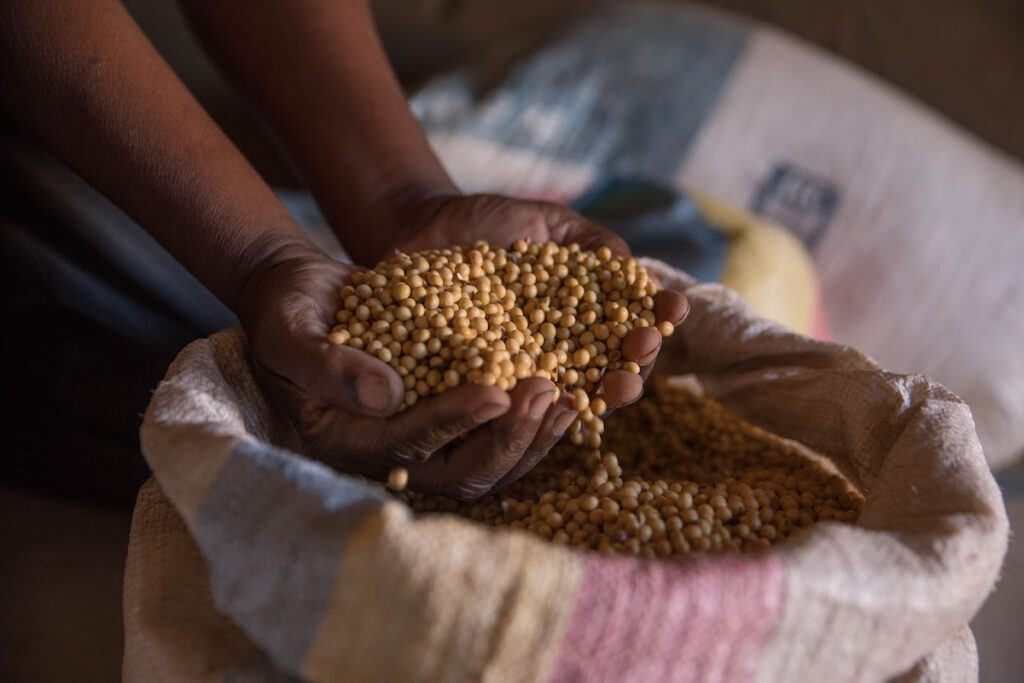
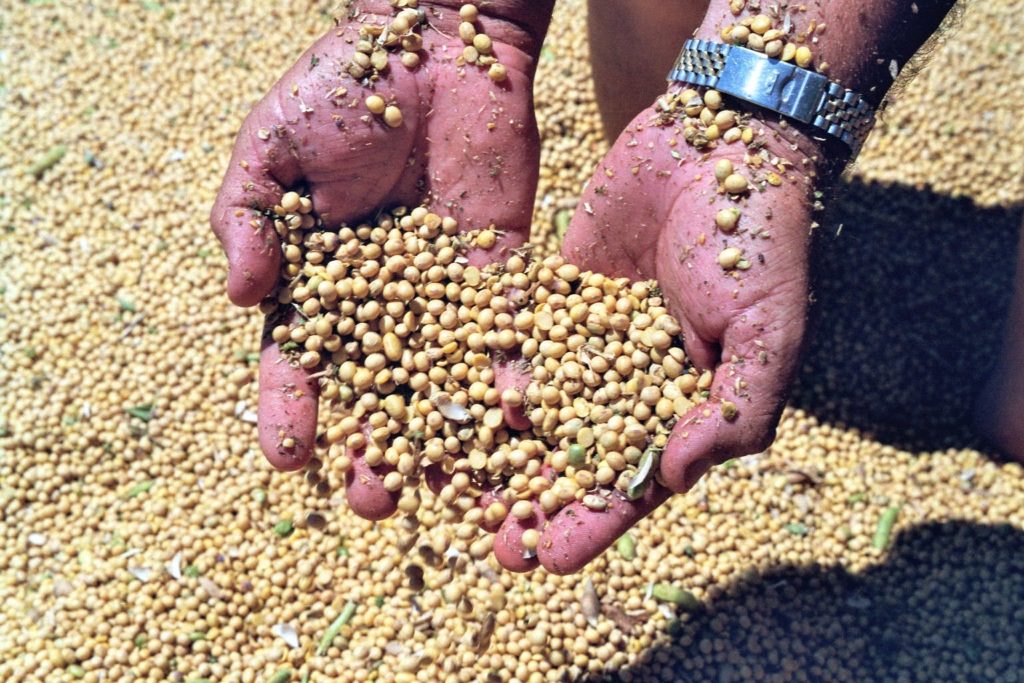
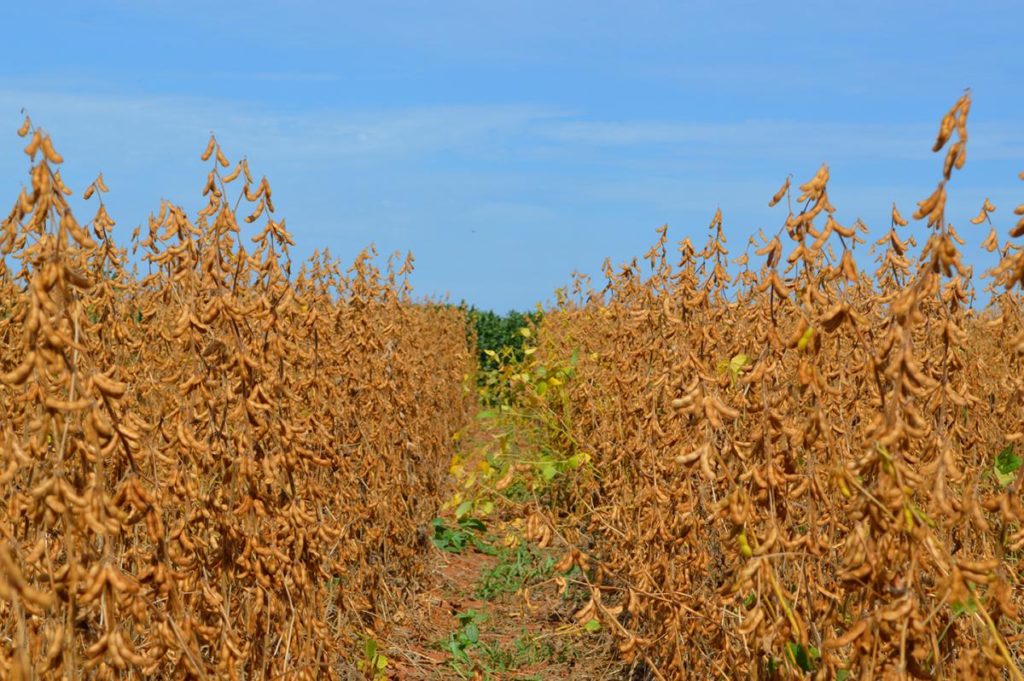
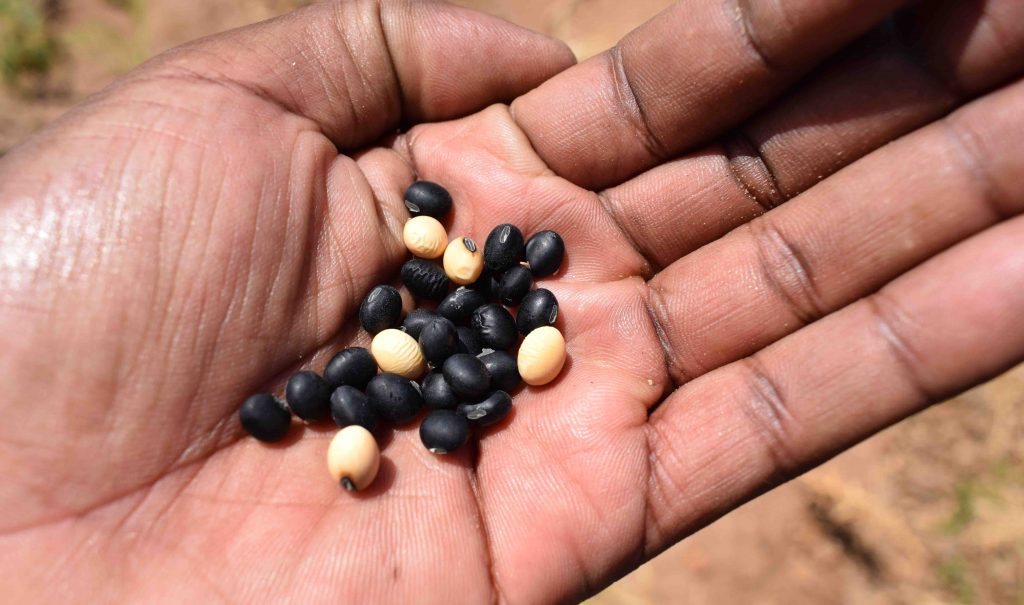
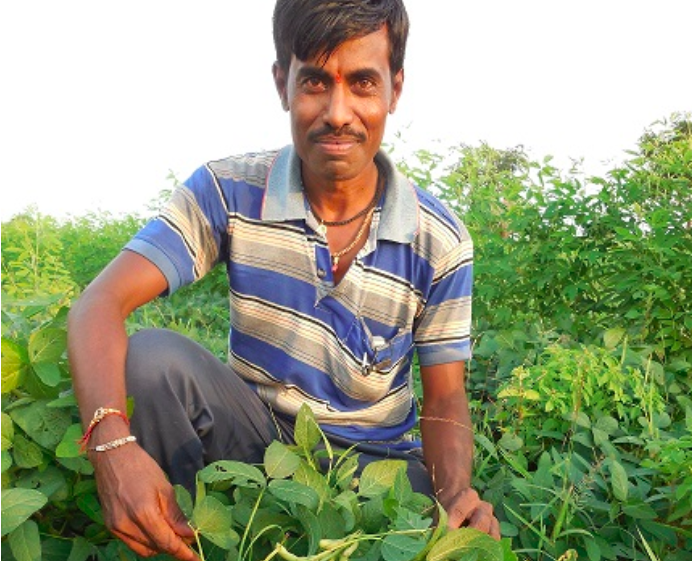
Soy is one of the world’s fastest growing crops and has a market value of 100 billion USD. It’s highly versatile, used for human and animal consumption, and as fuel. But there’s low demand for sustainably-produced soy, and many smallholder farmers can’t make the transition to sustainable production alone.
There was a shed containing pesticides, oil and tools all mixed together; an oil tank with no containment; empty pesticide packages; used engine oil stored for many years on farm. Each of these issues was resolved with low-cost infrastructure organization and improvements.
Maurício Soares – Cresol Technician, Brazil
Solutions
Collaboration for inclusive supply chains
Solving these challenges requires the soy industry to move towards more sustainable and inclusive supply chains. This means soy production will take place in harmony with its producers, their communities, and the environment.
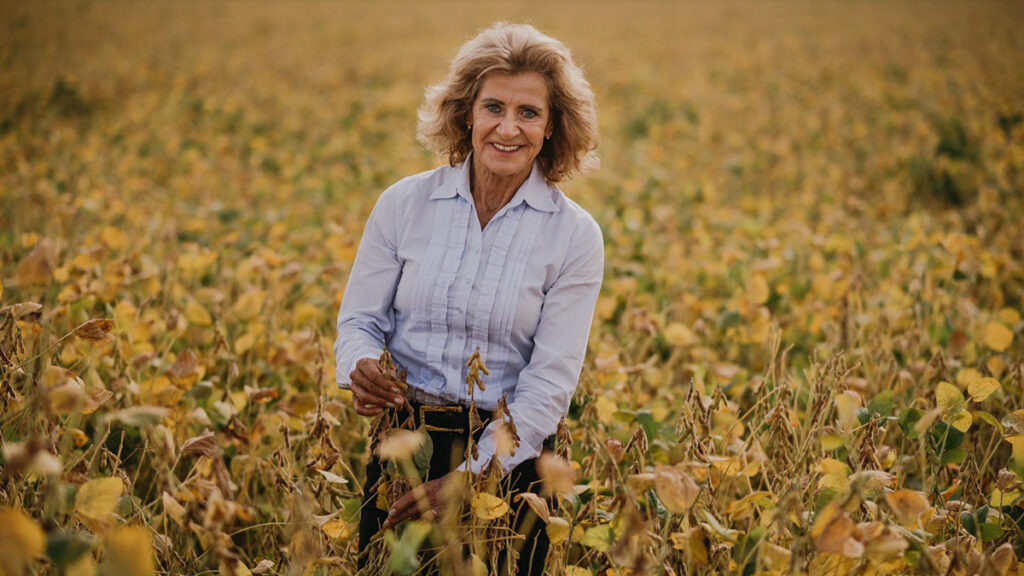
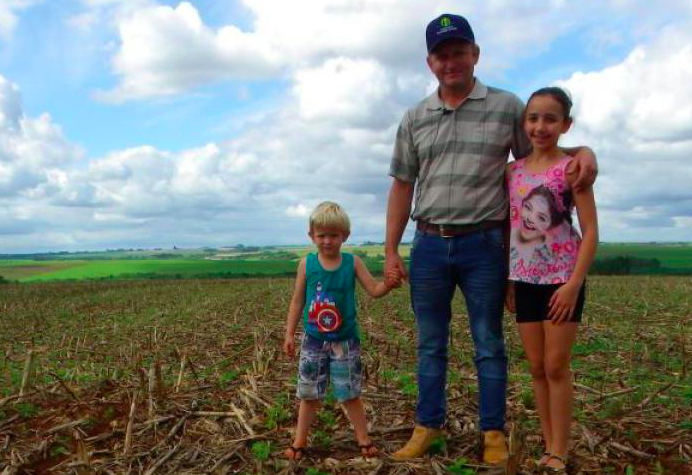
Mr. Dilo Parerro, soy producer, Brazil
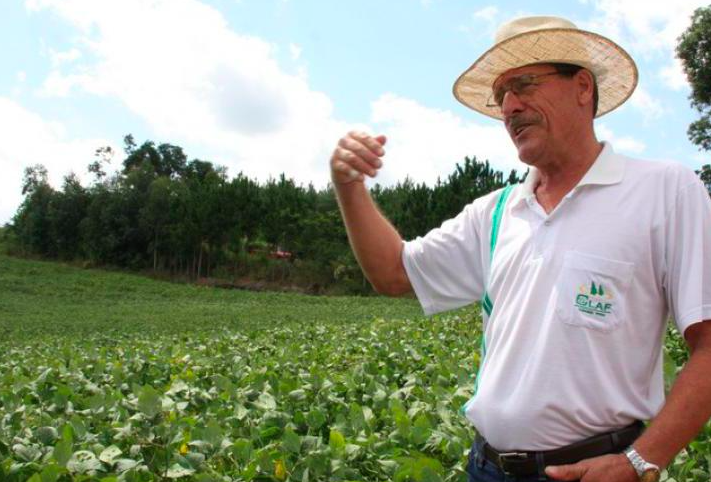
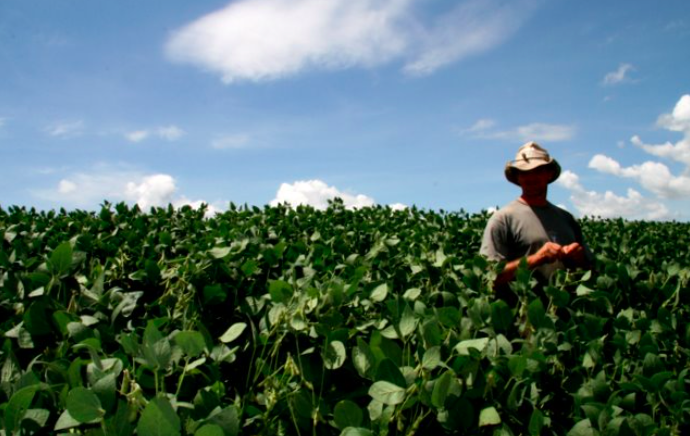
Being part of the soy producer support programme has been important to me to better understand the environmental regulations in our region and learn about best agricultural practices.
Achievements
Positive trends
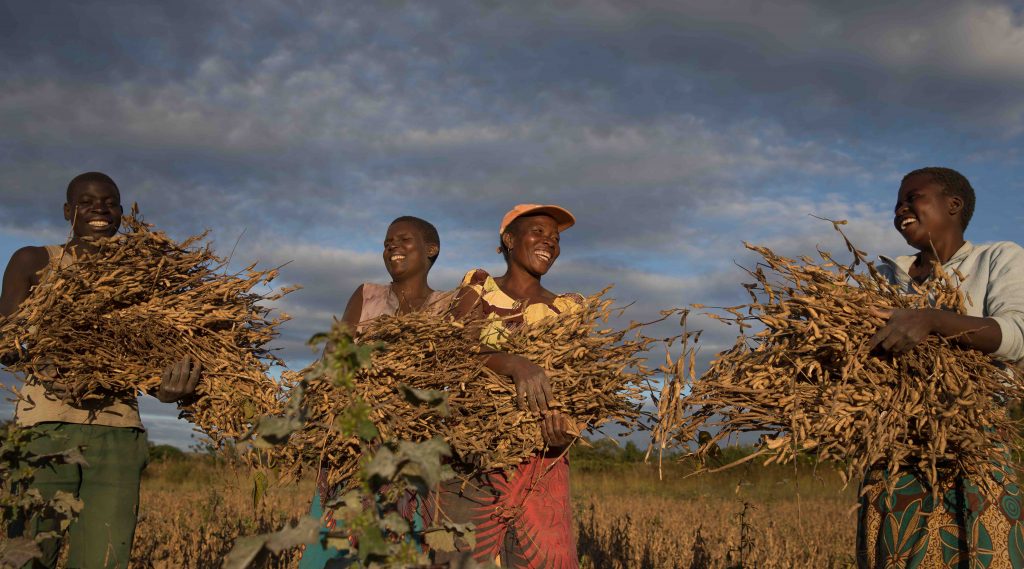
The Soy Project in Southern Africa trained 4,582 smallholder farmers from 58 associations mainly on the Round Table on Responsible Soy Association (RTRS) principles. The cumulative number of farmers that had adopted these principles by the end of 2020 adds up to 29,220. The Soy project had 48 service providers that had achieved self-sustenance by the end of 2020 and were supporting a total of 26240 smallholder farmers. Nine credit service providers gave loans to 20,080 smallholder farmers in the Soy project, while the share of women in decision-making positions in the Soy project is 28 percent.
Global progress
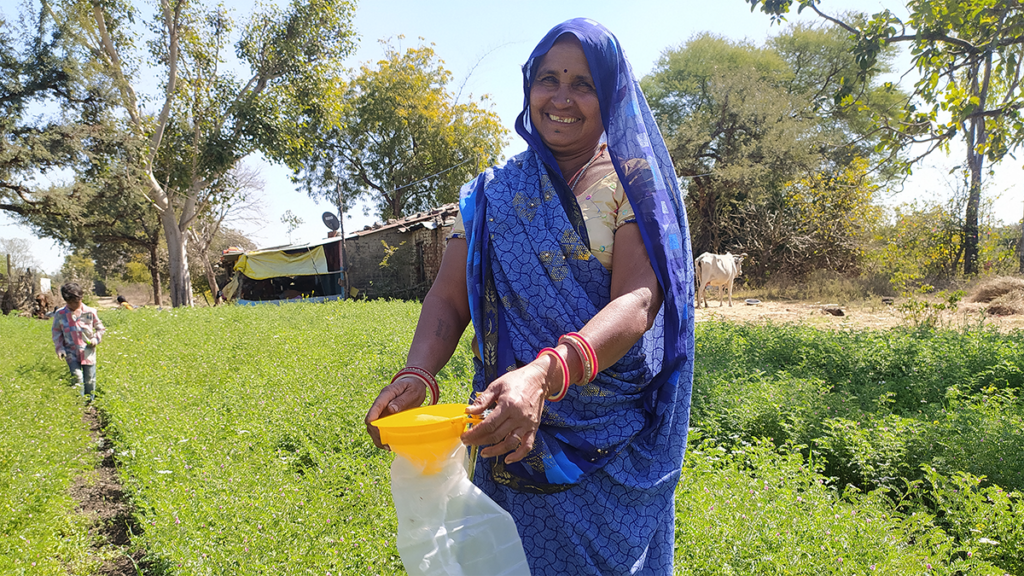
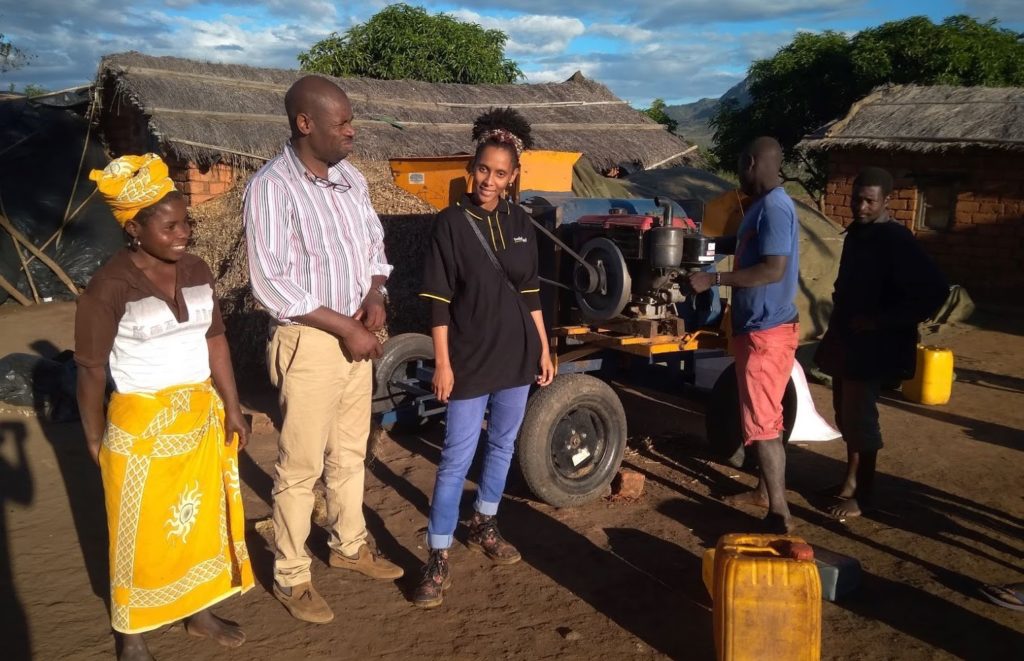
In Asia, our Soy programme trained directly and indirectly trained more than 25,167 farmers, 73% of whom adopted a set of three critical practices: improved seed, seed treatment, and spacing. Our programme in Malawi meanwhile provided smallholders with training in good agricultural practices, access to high-quality seed, mechanization, and finance, and promotes the participation of women. Yields and livelihoods improved most dramatically in Mozambique, with over 17,000 farmers participating and yields up from 400 kg to 1,450 kg per hectare. Finally, in Paraguay, the MejorAgro project contributed to more sustainable management of 6,129 hectares (+122% of the target), which yielded 21,513 tons of soybeans (+170%). The UN Global Compact recognized the project’s use of digital technology, real-time analysis of farming practices, and continuous improvement.
Integrating digital solutions
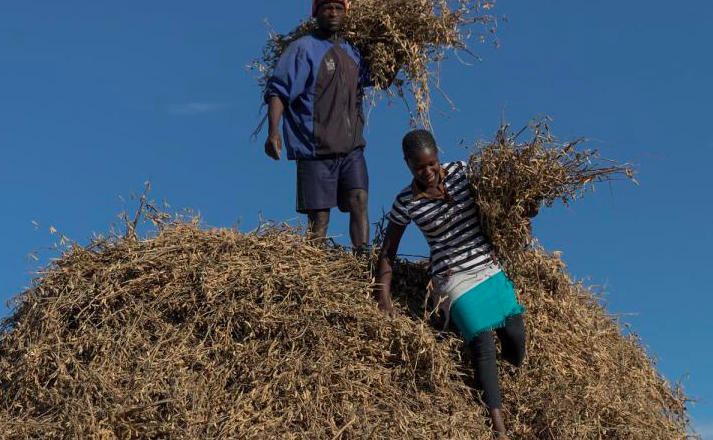
Across the soy-producing regions, Solidaridad supported local actors to improve supply chains, making them more robust and transparent, and developing awareness about deforestation issues. Over 1.65 million hectares were brought under improved management production systems and 4.9 million tons of responsible soy were produced. In eastern Paraguay and southern Brazil, we worked to support smallholders with environmental, social and economic issues including legal compliance and integrating digital solutions.
Efficiency and high yields
Solidaridad has played a crucial role in increasing farmers’ capacity to use good agricultural practices focussed on sustainability. In terms of benefits for producers, there has been strong evidence of productivity increasing both through yield increases per surface unit and by more efficient use of resources.
Increases in economic returns and margins were achieved by adopting good agricultural practices in basic farming activities such as keeping records at the farm level, crop management (e.g. optimal fertilizing moments and sowing dates) and machinery management (e.g. upkeep, calibration and adoption of technology). Solidaridad also supported the first group of farmers in Africa to receive RTRS certification.
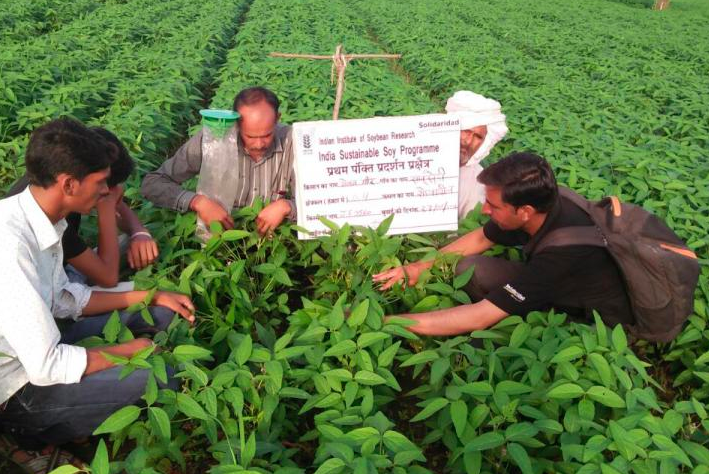
Local concepts spark shift
Soy underwent an intense shift in 2016 towards new concepts being deployed at the local level, while also phasing out a more traditional approach that had a strong emphasis on producer support. As a result, Solidaridad is using all its knowledge and experience to create new mechanisms for expanding its collaborations with governments, big soy associations and business platforms to increase the scale of impacts on key issues such as deforestation and agrochemicals.
Soy Fast Track Fund
Solidaridad has been active in fostering and strengthening sustainable production of soy in Latin America and its sourcing in Europe through the Soy Fast Track Fund (SFTF) since 2011. The programme aims to help transform the global soy value chain into a sustainable one by using the Round Table on Responsible Soy (RTRS) standard as the main reference framework to guide improvements and implement change at the farm level.
RTRS in Africa
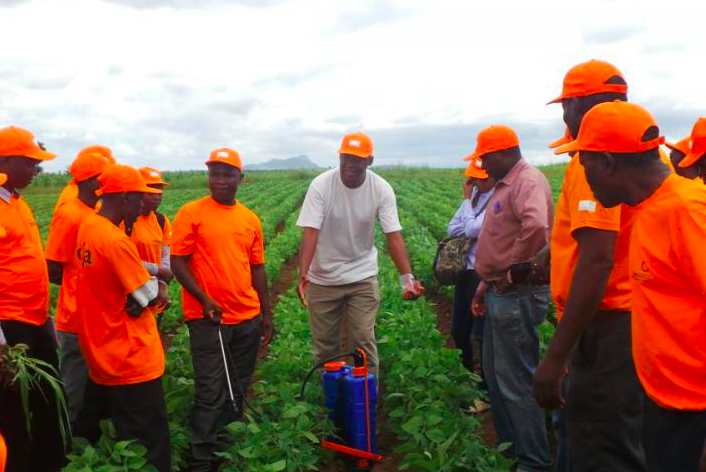
The RTRS (Round Table for Responsible Soy) standard is new to Africa. Solidaridad is involved in promoting RTRS methods through two projects in Mozambique and Malawi. As a result farmers in Mozambique have seen a substantial increase in yields, while in Malawi approximately 38,000 farmers have received certified soybean seed.
Multi-stakeholder success
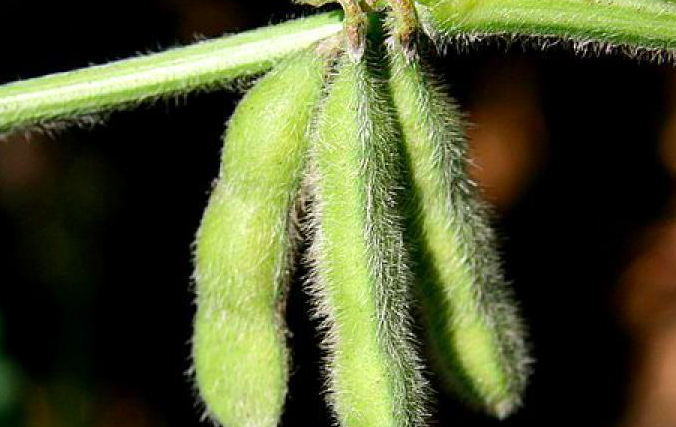
Through cooperation with Solidaridad, Sinograin, a large Chinese company, brought 25,000 hectares of soy under RTRS certification. Solidaridad China played a crucial role in organising the RT8 in Beijing, bringing Chinese stakeholders together with companies, producers, and civil society organisations from other soy producing and buying countries.
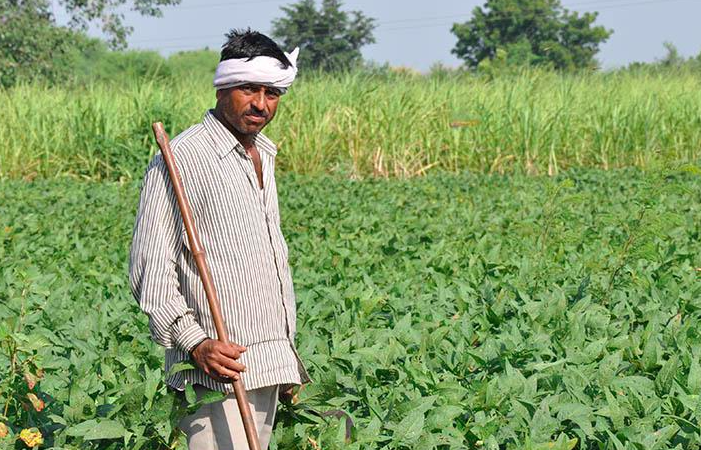
Mozambique
Solidaridad’s began its first soy programme in Africa, in Mozambique.
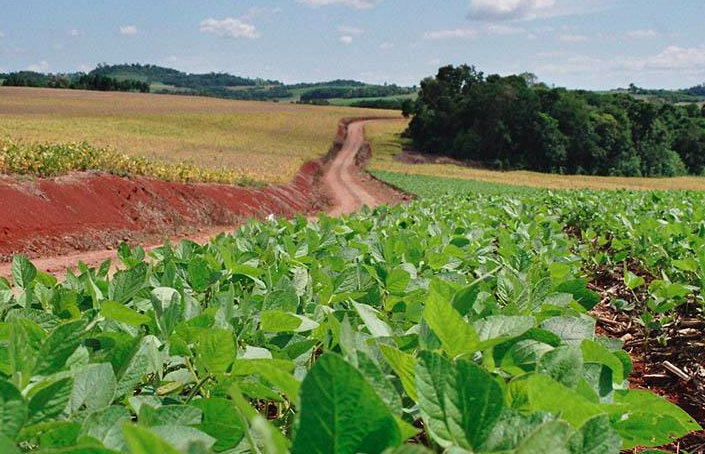
RTRS Approved
Solidaridad entered into a new partnership with dairy company Arla Nederland and Friesland Campina commited itself to responsibly produced soy for a further four years.
The Round Table on Responsible Soy (RTRS) standard for responsible soy was approved. This standard is a worldwide agreement on the principles and criteria for responsible soy production.
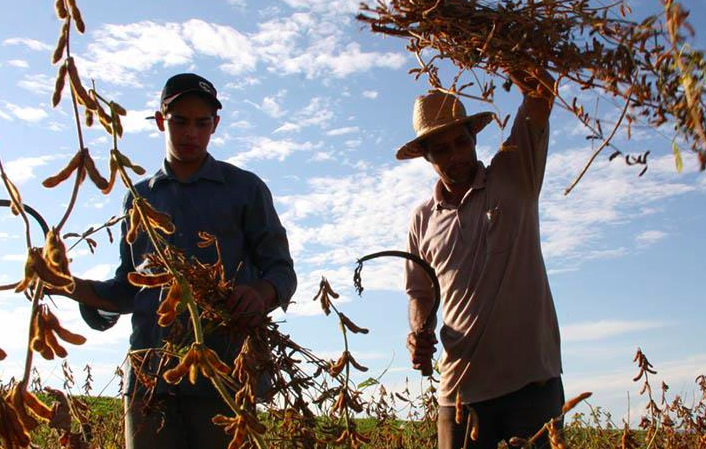
New commitments
Together with Solidaridad, companies involved in the Dutch animal production chain signed an agreement to collectively finance a stepwise transition towards 100% RTRS soy in 2015. Friesland Campina, CONO, Ben & Jerry’s, Keurslagers, ARLA, and Interchicken companies are supporting Solidaridad soy programmes.
The first transaction in the Round Table on Renewable Soy (RTRS) certification system took place and commitments to RTRS soy in a number of countries including Belgium, Sweden and UK are published.
Where we work
Featured Programmes
Join us in making soy truly sustainable.
You Might Also Be Interested In