
Ethiopia: low costs & high risks?
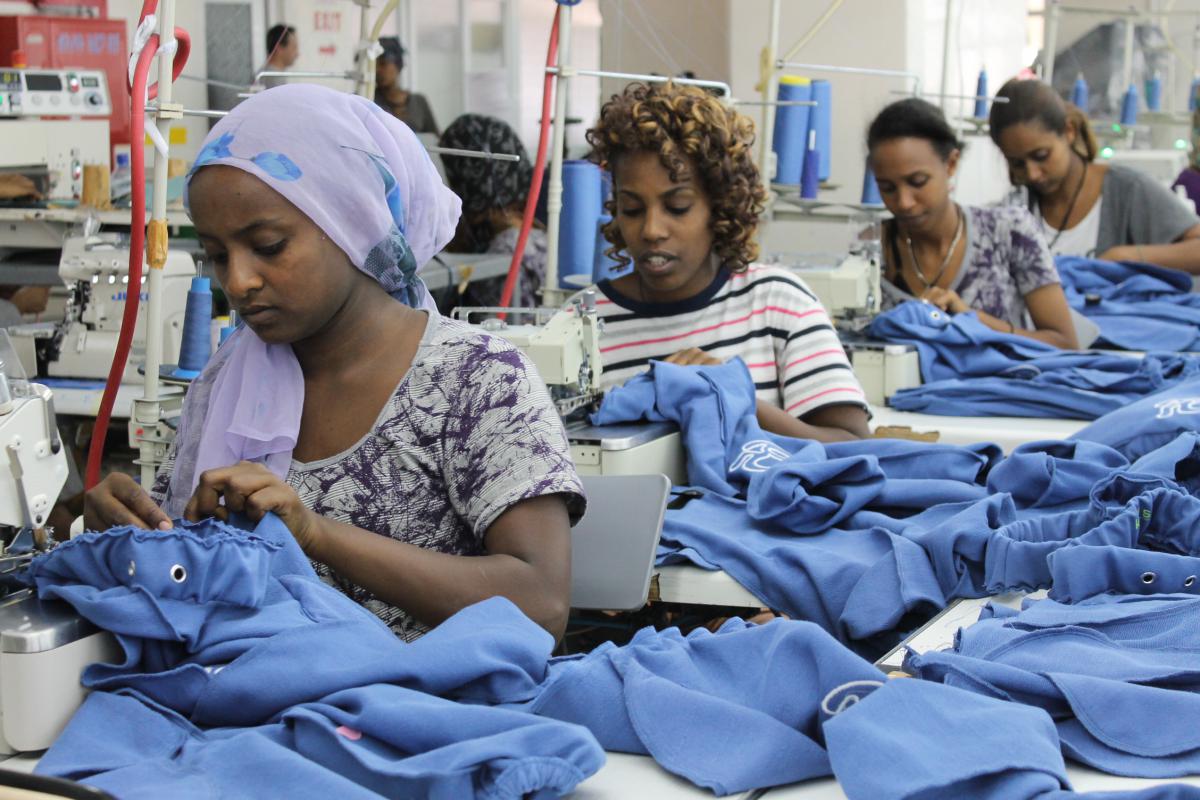
Ethiopia’s government has recognised this with a string of incentives aimed at growing the sector through foreign investment. By 2016 the country aims to be exporting more than €1 billion worth of garments. And multinational companies have been quick to respond, with H&M, Tesco and Primark among those buying garments from Ethiopia.
International buyers are attracted to Ethiopia partly by its low labour costs and tax incentives. But the rapid growth of the industry needs to have a sustainable basis. Without improvements of production practices, the risks of humanitarian and environmental damage will increase exponentially as production levels rise.
Lessons to learn from Bangladesh
The devastating fire in the Tazreen Fashion factory in Bangladesh in 2012, and the Rana Plaza building that collapsed in 2013, were reminders of the need to ensure that safety and good working practices are embedded in the production and supply chain. More than 100 workers died in the Tazreen factory as the flames spread through fabrics and yarn that were piled to the ceiling in a factory without adequate emergency exits. Over a thousand people didn’t survive the Rana Plaza disaster caused by construction errors.
Solidaridad started last year working to ensure that the Ethiopian industry is built on firm, sustainable foundations. Our experience in other countries has shown that steady, well managed growth allows African nations to add value to their natural resources, build their economies and improve the working and living conditions of their citizens.
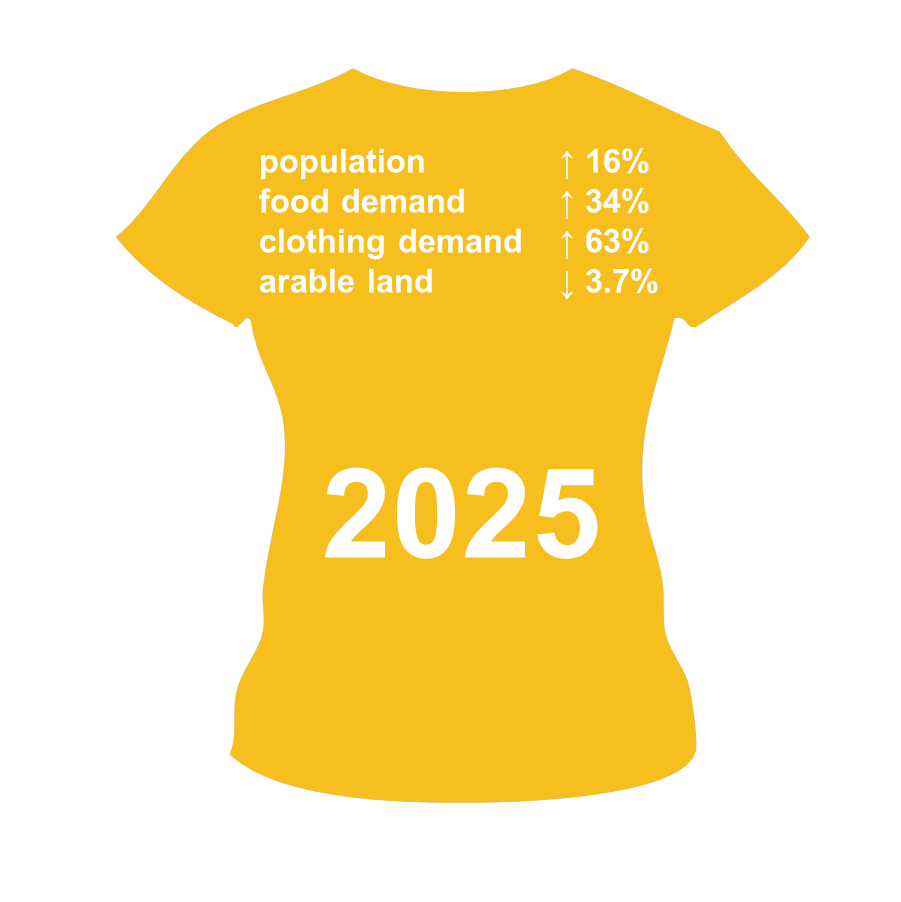
We are working with our local partners, government parties, institutes and NGOs on a 2025 Roadmap for a sustainable cotton and textile industry in Ethiopia. The main concern is to ensure that the sector adds value to the country’s economy and creates jobs, but just as important is ensuring that profitability for the sector goes hand in hand with sustainability: environmental controls, fair wages, workplace safety and social standards.
A global cotton programme
Across Africa, Latin America and Asia Solidaridad is helping 150,000 farmers in the cotton industry get better access to sustainable agriculture and connect them to the organised market. We work by bringing government parties, cotton and textile associations, NGOs and companies around the table to establish an integrated supply chain.
Programmes such as the Better Cotton Initiative teach farmers how to grow cotton in a more sustainable manner, for example by saving water and improving the soil, but also by using fewer and less harmful pesticides. As a result farmers’ crop yields increase and they earn more, which allows them to invest in their farms and lift themselves and their families out of poverty.
Textile programme from Asia to Africa
Until now our work in the textile sector has focused on India, Bangladesh and China. We have helped textiles factories to produce cleaner and safer and improve efficiency through schemes such as the Partnership for Cleaner Textiles (PaCT), which is implemented in 200 factories in Bangladesh. Last years, we have been active in nine African countries supporting cotton farmers. Africa can add a lot of value to its cotton production by developing the textile sector. Our recent study with Berenschot shows the opportunities for textile production in East Africa.
Partnerships crucial
Yet such initiatives can only succeed in partnership with the industry. With this in mind Solidaridad announced a strategic partnership with H&M in April to establish a sustainable production chain from the cotton field to the clothes store. This collaboration includes joint improvement projects at farm and factory level, as well as strategy development, covering new subjects and innovations. Elsewhere we have collaborative arrangements with 25 brands and retailers on joint programmes on supply chain sustainability, including VF Corporation, Bestseller, Tommy Hilfiger and Decathlon.
Our experience in Asia has taught us that sustainable textile production doesn’t happen overnight. It is the outcome of a complex and ongoing process of negotiation with all parties in the industry to come up with constructive solutions. There is still much work to do, but the lesson of Bangladesh is that industrial growth cannot be a race to the bottom. The disastrous environmental and humanitarian consequences of focusing exclusively on cost could not be clearer. For Ethiopia’s textile industry to fulfil its promise, it must learn from Bangladesh’s mistakes. Join us and make that happen.