

120,000
farmers with farm income increase

103,000
hectares under sustainable management

75,000
farmers that obtained new or improved services
Challenges
Economically and environmentally viable production
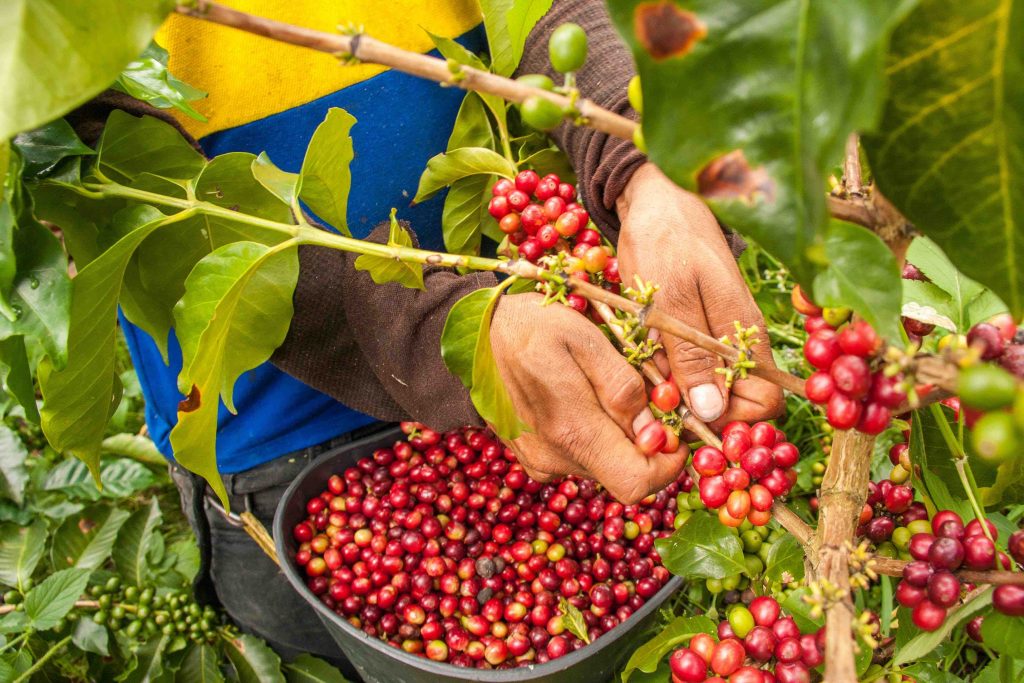
There are on-going challenges in the coffee sector that question the sustainability of the value chain. Growing coffee is no longer profitable for many smallholder producers, putting its supply at risk. The way that coffee has been produced to date often results in environmental consequences that will be felt for generations to come.
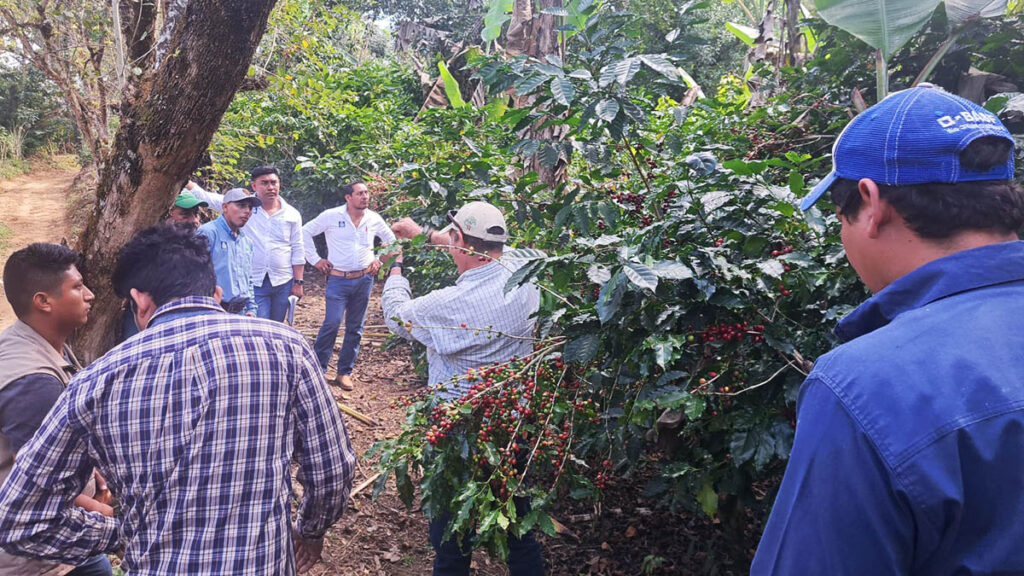
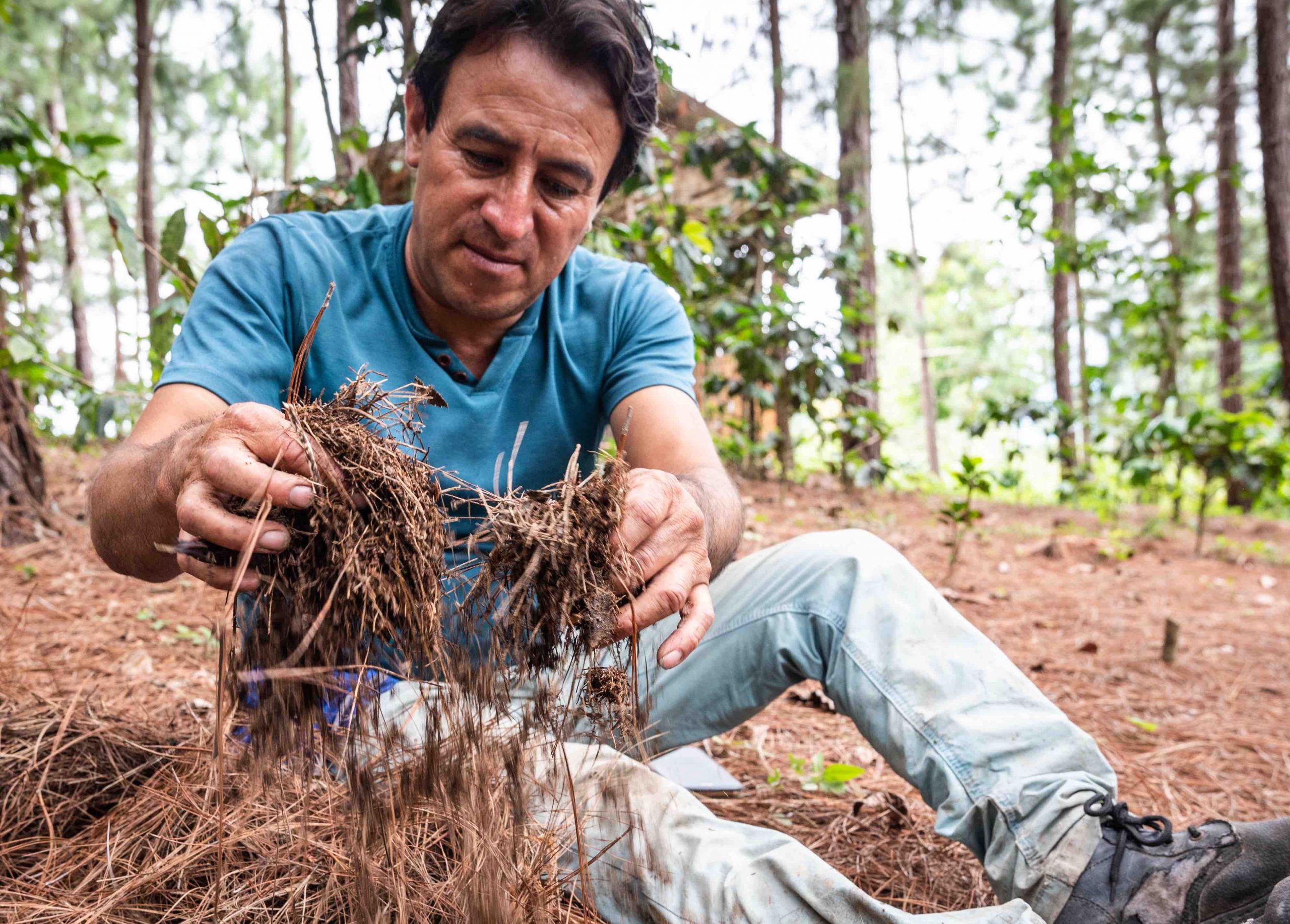
Now that our production is stable, we have a next step: to conserve the cloud forest where we live. We believe that having decent incomes and conserving the environment must go hand in hand.
René Hernandez, coffee producer, Cooperative Comon Yaj Noptic, Chiapas, Mexico
Solutions
Generating value for all
Our global programme aims to deliver practical solutions that enable the coffee sector to generate value in its journey towards sustainability. Enhanced sustainability must increase value to all the different actors in the supply chain and should truly benefit producers and workers.
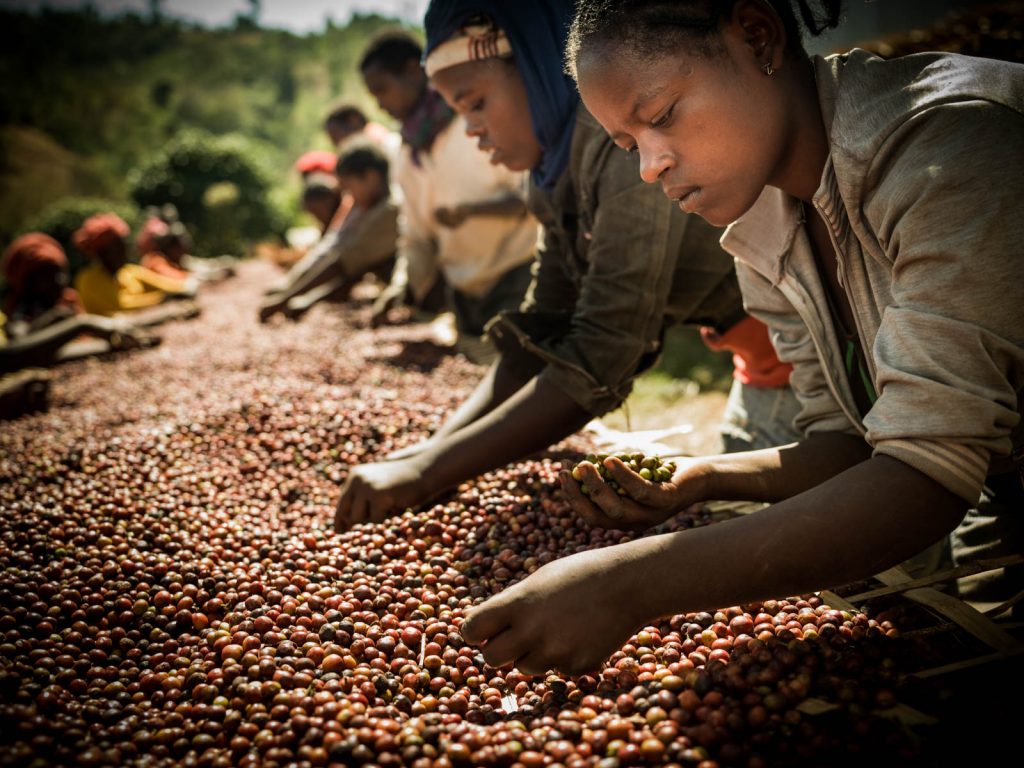
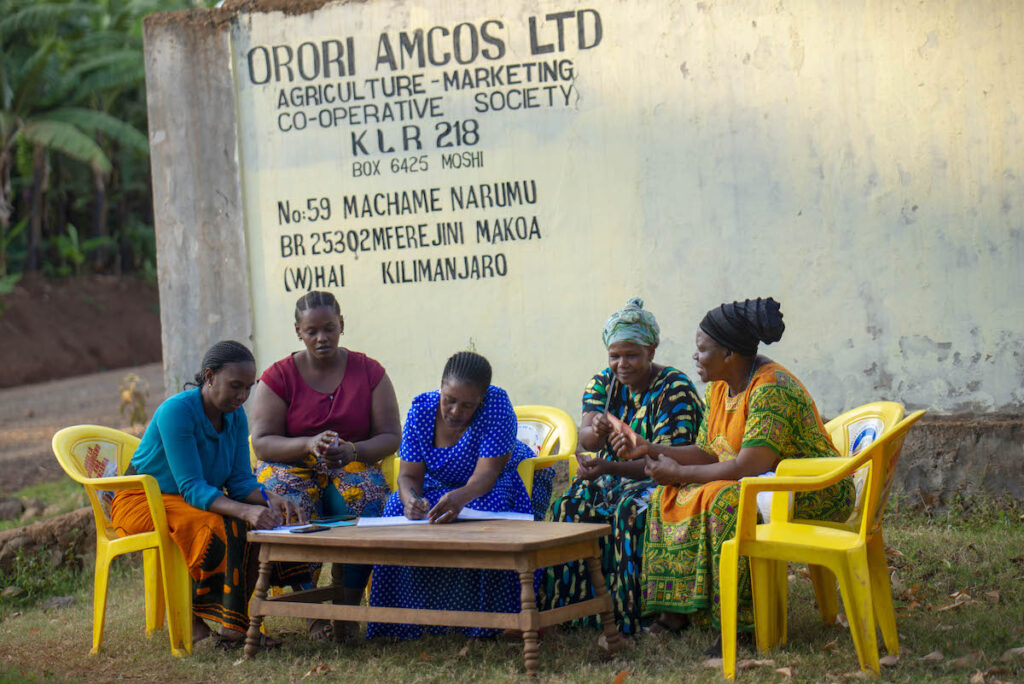
The work you do is unique. Unlike others, where there are external experts, it’s Ethiopians reaching the grassroots, working with primary cooperatives, training Ethiopians who work directly with the farmers.
Tadesse Meskela, General Manager, Oromia Coffee Farmers’ Cooperative Union, Ethiopia
Achievements
In 2022, we diversified income for coffee farmers by connecting them to coffee carbon markets and an integrated cocoa-livestock models. In Honduras, we implemented a traceability model for 200 coffee farmers and advocated to address fair value distribution through the National Coffee Policy. In East Africa, we contributed to increased coffee productivity and improved varieties of seedlings.
To prepare farmers for receiving payments from the carbon market we trained field officers from partner companies and producers on carbon measurements and agroforestry.
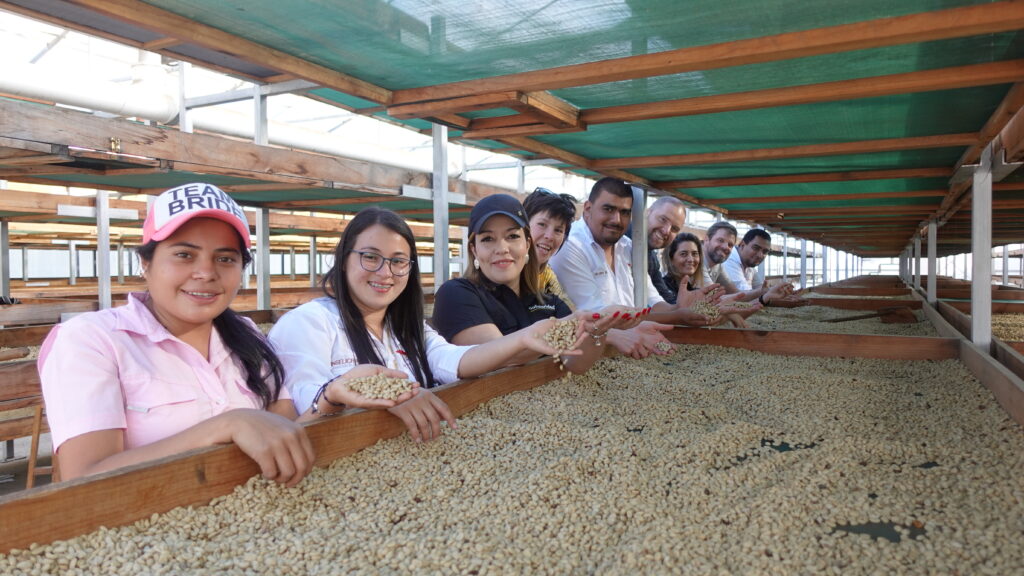
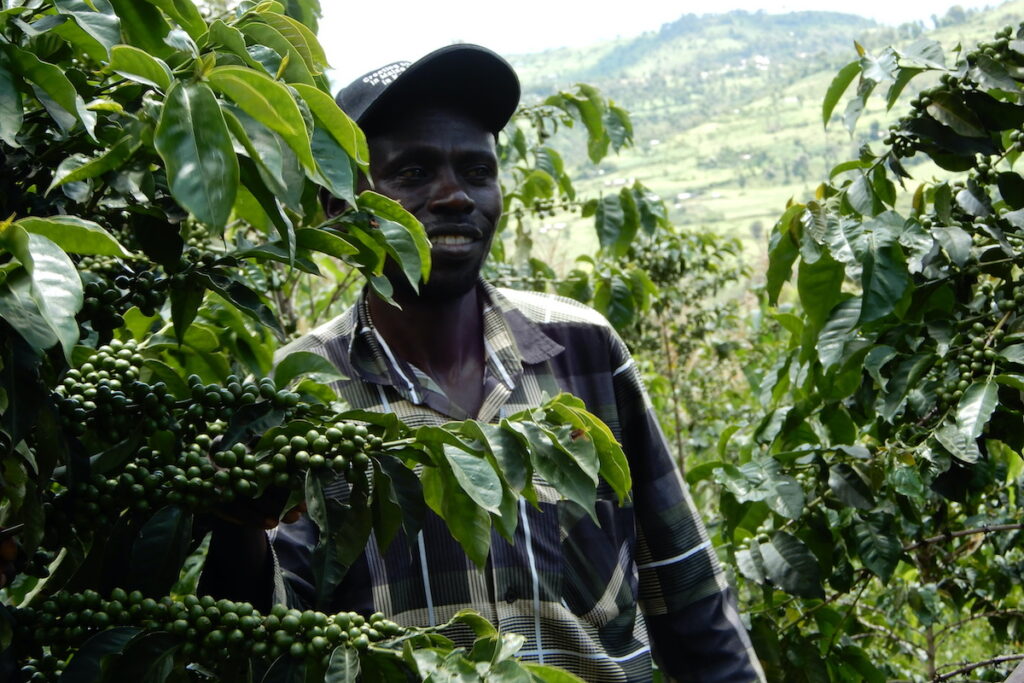
In Honduras, Conacafe partnered with us to implement the national gender strategy. We started using blockchain technology to create a more fair value distribution. Through demonstration plots, we enhanced knowledge transfer. In Tanzania, over 600,000 coffee seedlings were multiplied and distributed. In Kenya and Uganda, farmers reported increased productivity from an average of 2 to 3.4 kg of cherry yield per tree, resulting in increased incomes for farmers.
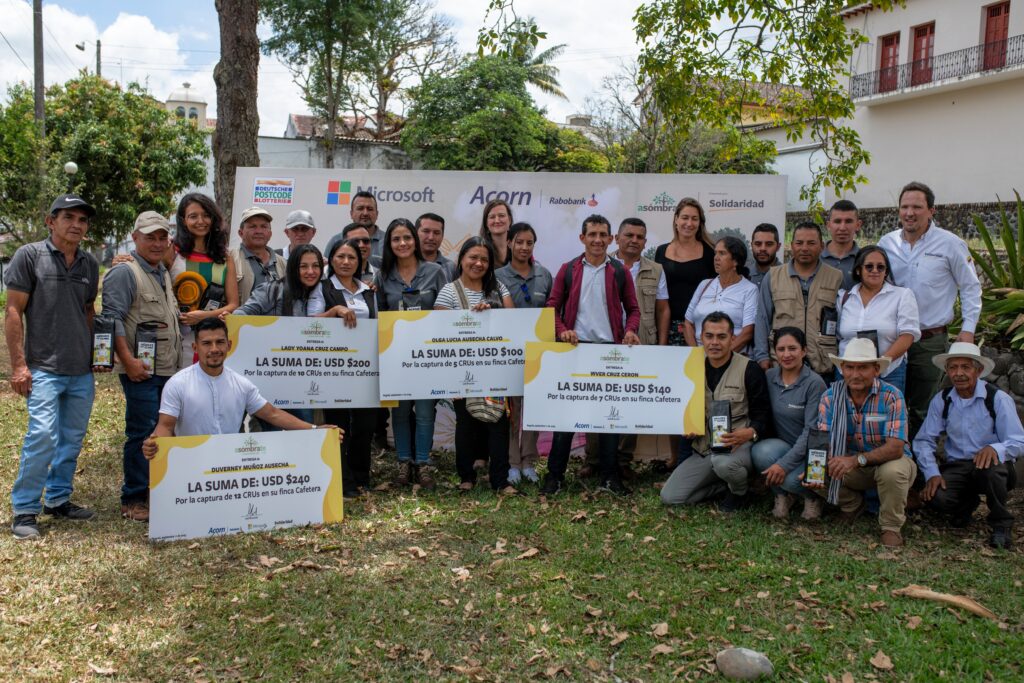
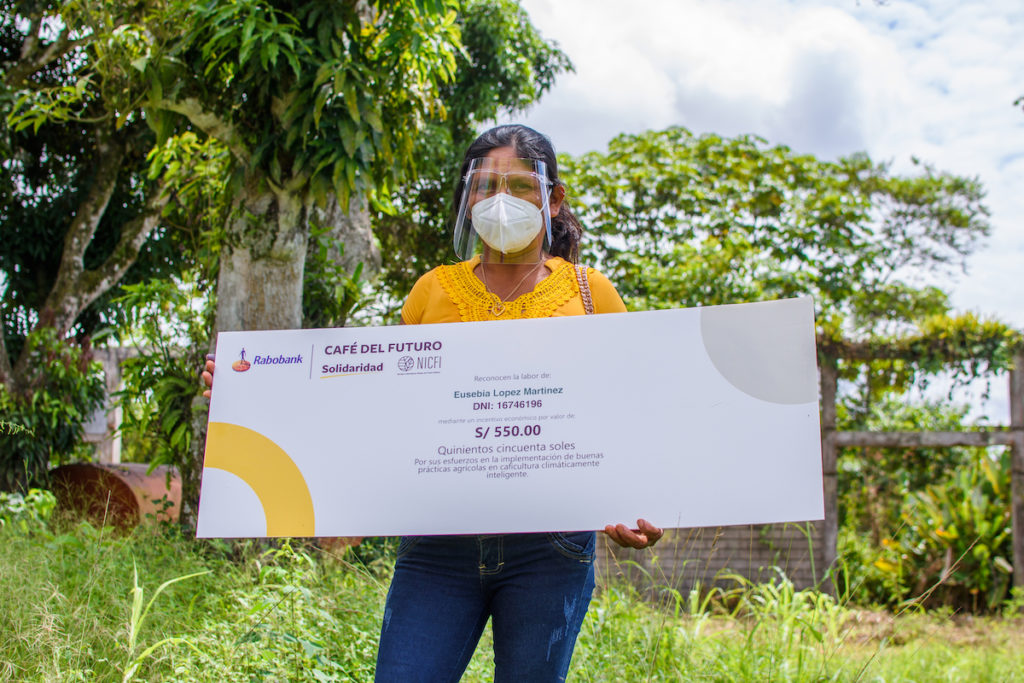
In Colombia and Peru, 2,000 coffee farmers were registered to receive carbon sales for planting forests within their farms.
More climate-smart coffee
In Mexico, the climate-smart coffee model was expanded to Common Yaj Noptic Cooperative, who improved average productions from 6 metric quintals per hectare to 13 qq/ha. We then began replicating the model in Nicaragua. In Honduras, we led and supported the development, articulation and approval of the national gender policy within the coffee value chain by liaising with the public sector, CSOs and other actors through the national chapter of the Global Coffee Platform, Plataforma de Café Sostenible de Honduras (Sustainable Coffee Platform of Honduras).
Through the Practice for Change programme, participating coffee farmers in Kenya increased coffee production from an average of 2.2 to 3.5kg of cherry yield per tree in 2019/20. Additionally, the establishment of 300 village savings and loan associations in East Africa helped increased access to finance for more than 7,500 coffee farmers.
Growing impact
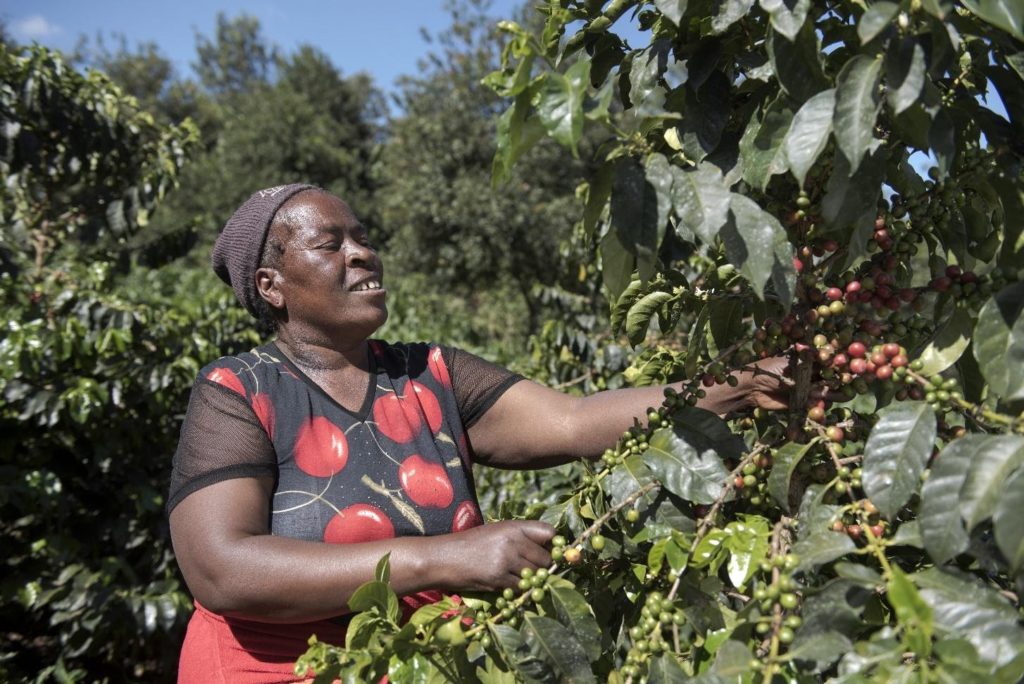
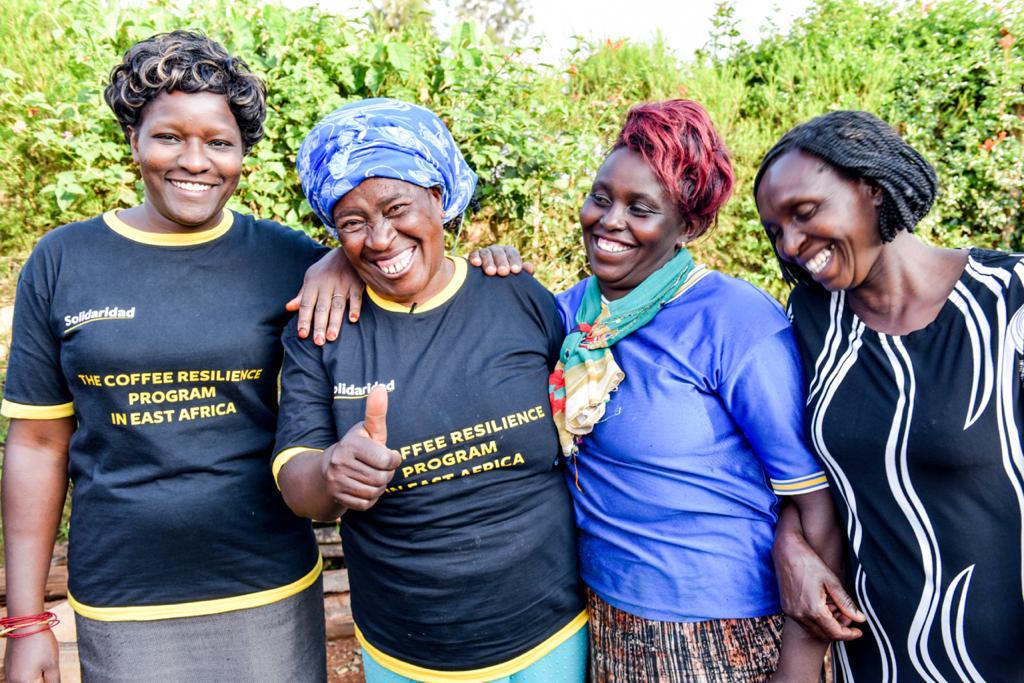
In East Africa, the coffee program has reached more than 114,416 small-scale farmers through direct and indirect training, with a resulting 35% increase in farmer incomes, despite falling coffee prices.
Partnerships are also driving progress in Central and South America. Café del Futuro (Coffee of the Future), the second stage of Solidaridad’s joint strategy with Norway’s International Climate Forests Initiative, was officially launched in Colombia and Peru. The project has already supported 1,880 coffee growers, and directly managed 5,844 hectares using climate-smart practices at the end, as well as the planting of over 20,000 trees.
A key alliance with the Honduran government aims to develop and implement a national gender policy, including financial inclusion workshops for women. In Mexico, this was the fourth year of our Climate Smart Coffee Lab, with an increase from five to 24 quintals per hectare of fair trade coffee grown on renovated plots by an organic cooperative.
Consolidation and exchange
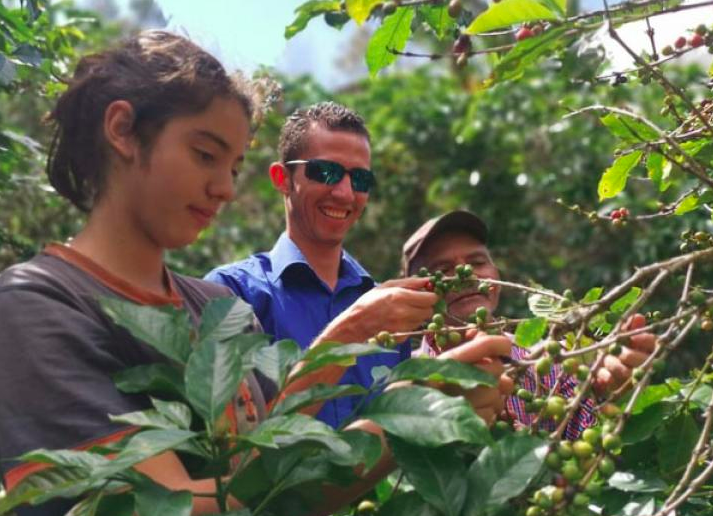
2018 was a year of consolidation, exchange and influence for our coffee programme. We launched a major initiative in East Africa to transform 15,000 coffee farmers’ production systems in Kenya, Uganda and Tanzania by 2021, ran an exchange for our global coffee teams in Colombia and Peru to enhance our climate-smart coffee technical package, and launched the 2018’s Coffee Barometer with more than 100 industry leaders as part of the World of Coffee event in Europe.
Leveraging digital tools
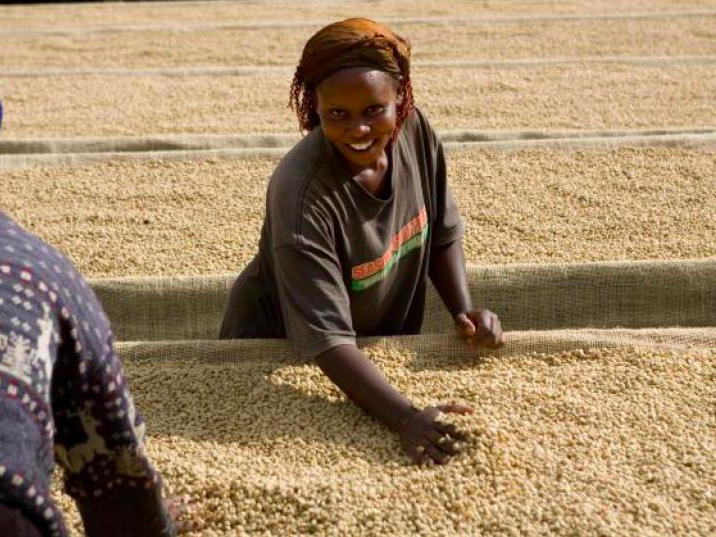
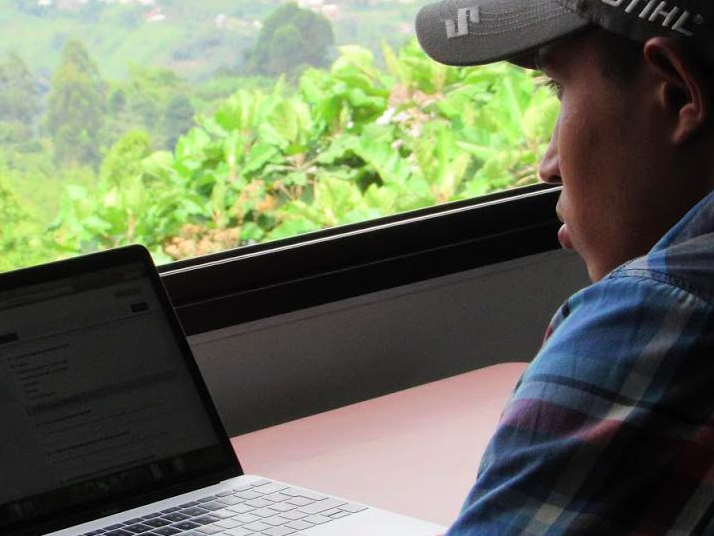
Digital tools offer enormous potential to enhance sustainability efforts. In 2017, Solidaridad commenced a digital journey with coffee farmers in both Peru and Colombia to focus on improving agricultural practices. The use of digital tools and farming data compliments Solidaridad’s existing work in these countries. Building on this knowledge ensures that new interventions are tailored to the specific needs of producers, and in a more efficient, more affordable manner.
The climate-smart approach
The first phase of Solidaridad’s climate-smart agriculture programme in Mexico, Colombia and Peru concluded with promising results. Solidaridad has now developed a proof of concept that combines higher and more consistent productivity and quality with improved environmental management.
Building a business case
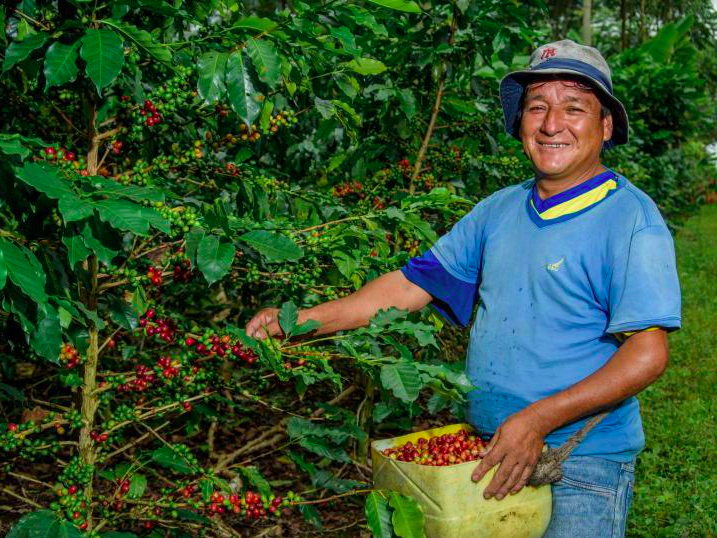
Although the global coffee industry has invested considerably in the supply chain in the past year, coffee production is at risk. Climate change has taken a heavy toll on coffee farmers in particular. Solidaridad has been successful in building a business case for Climate Smart Agriculture in coffee producing countries. Public-private collaboration at the global and local level is required to scale up efforts and investments. By building on the certification efforts and going further, a shift to a continual improvement framework for sustainability based on performance rather than compliance is needed.
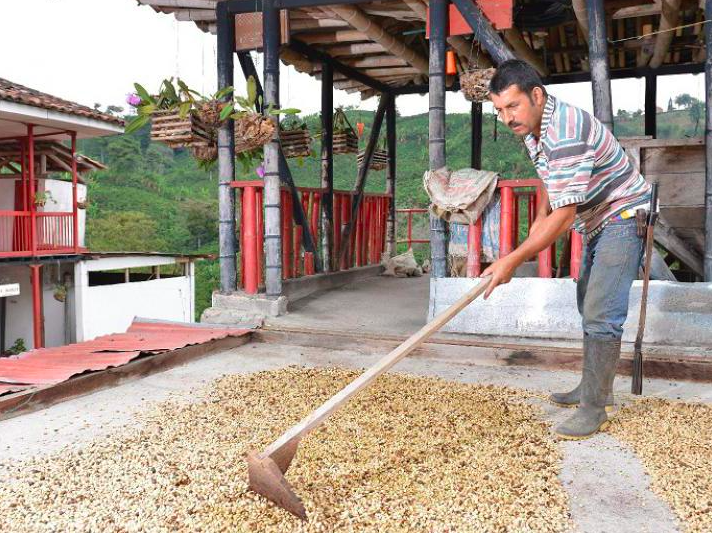
The heat is on!
The Coffee Barometer 2014 was published. On July 3, 2014 the Sustainable Coffee Conference ‘The heat is on!’ took place in Amsterdam. During this one-day conference, the Coffee Barometer 2014 was presented. Solidaridad also organised a workshop on one of the main solutions to the challenges facing coffee growers: the adoption of climate-smart agriculture.
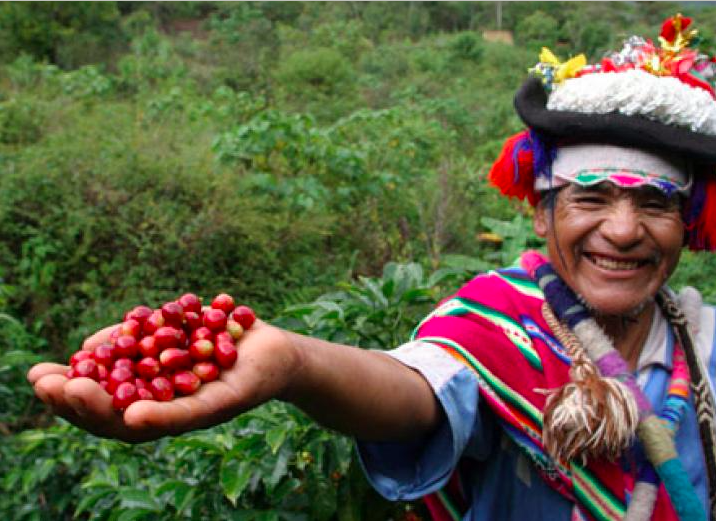
Integrating horticulture
Solidaridad established a major food security programme in East Africa, which integrates horticulture with coffee production. In Latin America a climate-smart coffee production programme was launched to help farmers adapt to climate change.
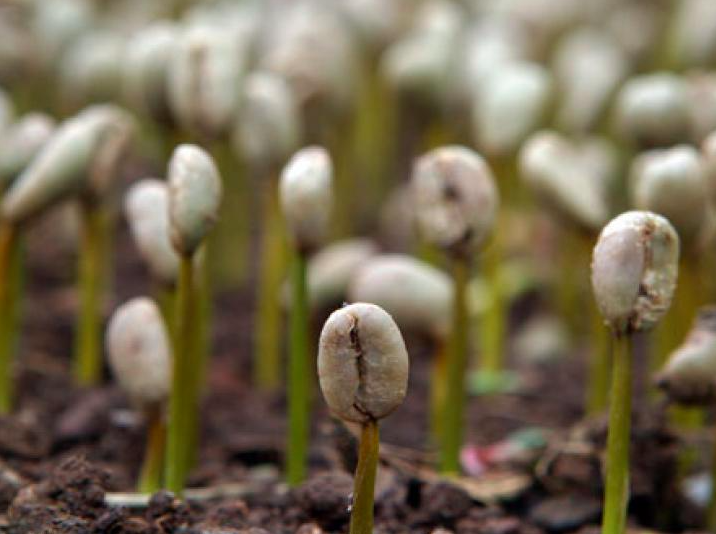
Continuous improvement
Solidaridad adjusted its strategy based on lessons learnt. Certification alone cannot solve all the problems in the coffee sector. It is a instrument for making production more sustainable, however, only by going beyond certification criteria can we achieve a step-change in sustainability, with major benefits to farmer in developing countries.
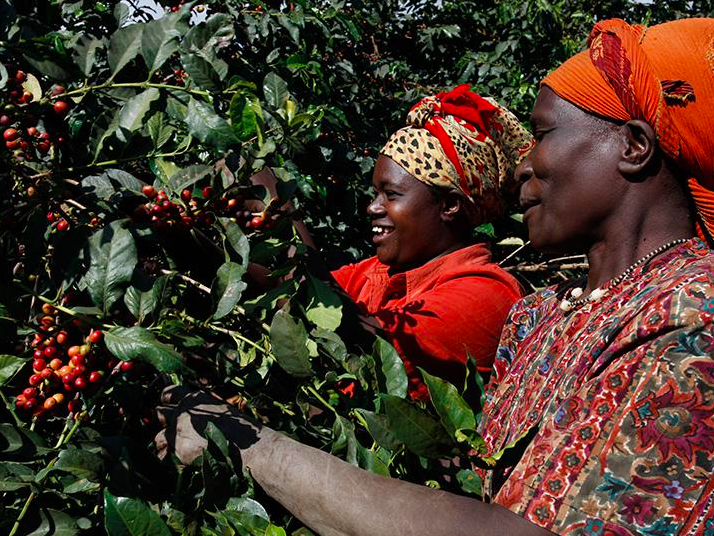
Increasing productivity
Solidaridad developed coffee training packages focused on increased productivity, higher quality, reduced costs and better prices.
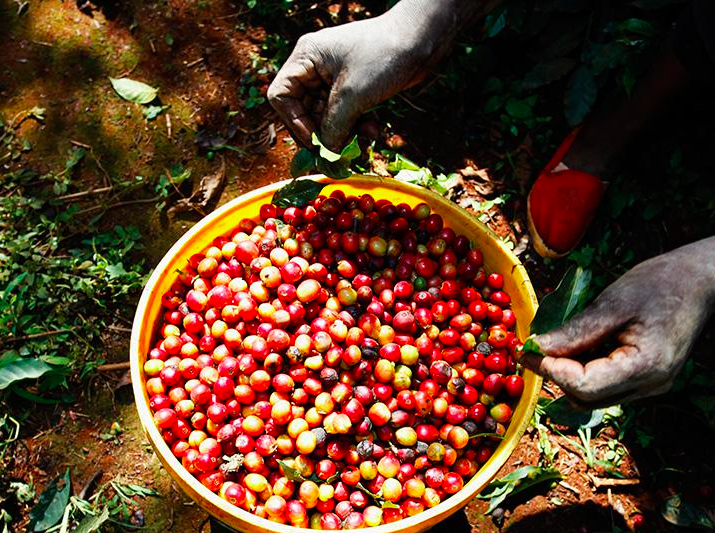
Accelerating responsible coffee
Solidaridad and SNV Netherlands Development Organization started the PROCASO programme in Honduras to accelerate responsible coffee production practices and UTZ certification. By 2010, 25% of the coffee production from Honduras was certified and now Honduras is the fifth country producing sustainable standard-compliant coffee.
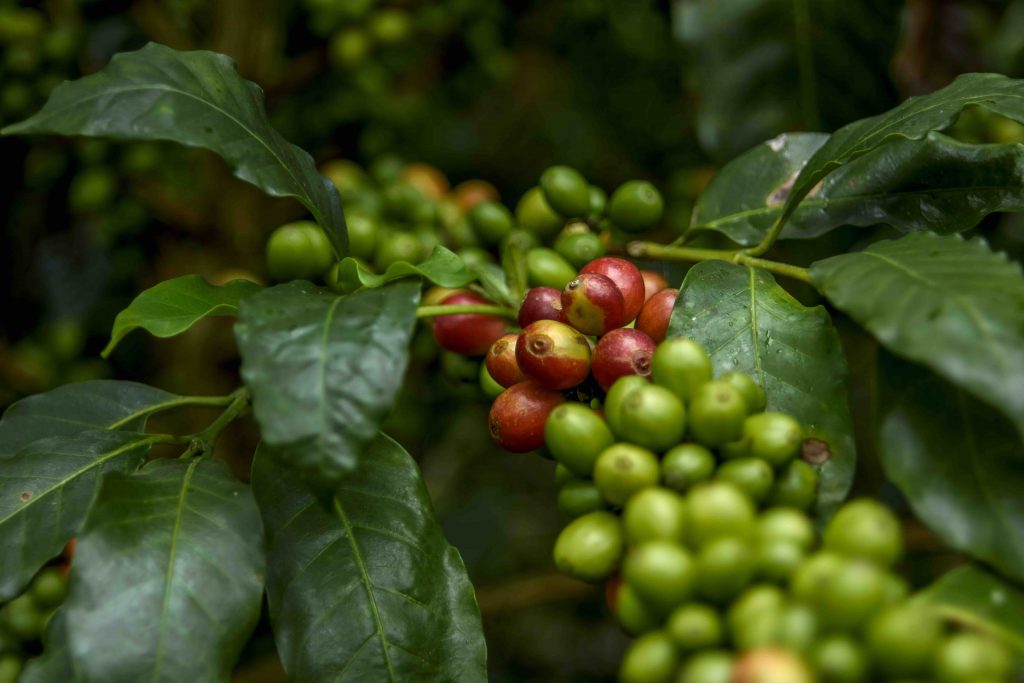
UTZ Certified
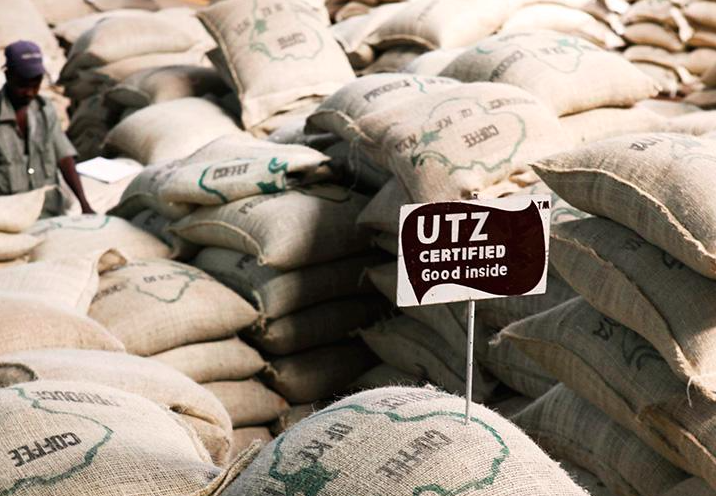
Solidaridad co-initiated UTZ Certified, a CSR label for coffee. In the beginning the organization was called UTZ Kapeh. In the following year the concept was expanded from coffee to cocoa, tea and hazelnuts.
Where we work
Featured Programmes
Join us in making coffee truly sustainable
You Might Also Be Interested In