

Mamie Sheku Sesay is a small-scale farmer in the Kenema District. Though there are family-owned lands in her community, cultural norms dictate that only the men could inherit and make decisions about it. The result is that Mamie had no plot of her own and had to rely on borrowed land from others each farming season, which left her insecure and limited her ability to plan for the future.
Promoting Inclusive Land Governance
A learning needs assessment and capacity development programme organized by Solidaridad and the Food and Agriculture Organization of the United Nations (FAO) is helping establish community land committees in Sierra Leone. The programme helps women and the members of community land committees to understand their rights under the country’s Customary Land Rights Act and other legal frameworks that safeguard equal land rights for women.
According to Andrew Kojo Morrison, Country Representative for Solidaridad in Sierra Leone, the training is part of our broader effort to strengthen local land governance and ensure women’s full participation in shaping the future of land ownership and agriculture in Sierra Leone.
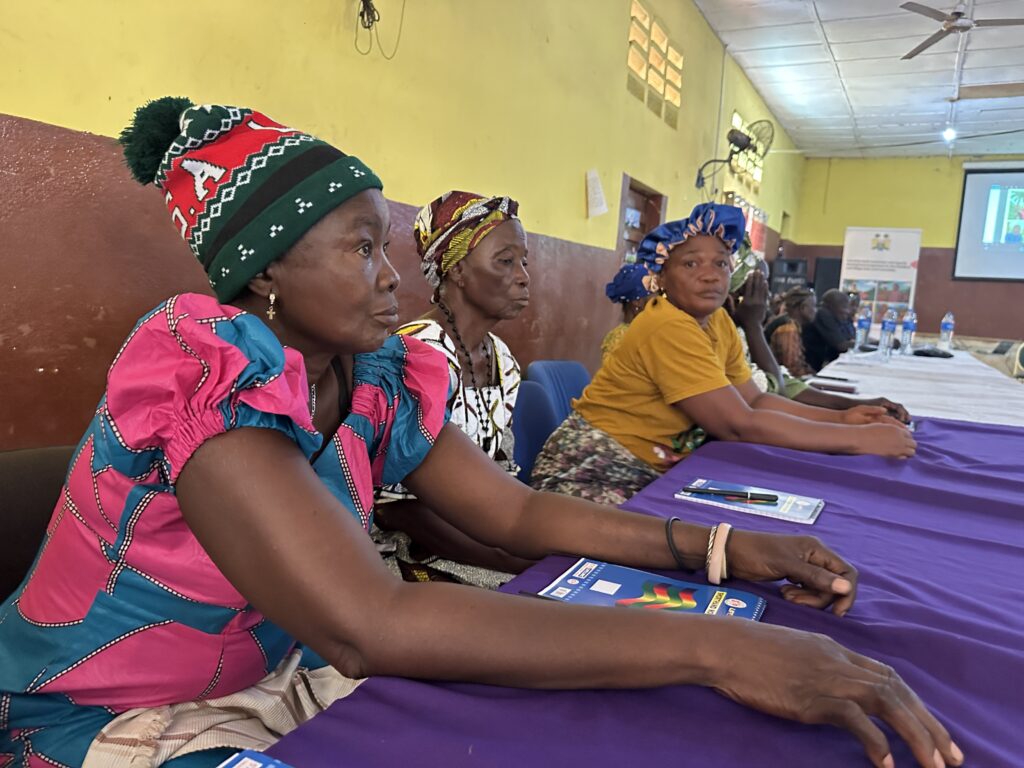
The initiative brings traditional leaders, land committee members, and women together in the same learning space for dialogue, and collaboration around land rights. For many participants, especially women like Mamie, the training has been eye-opening, challenging deep-rooted norms and empowering them to recognize their rightful place in land governance.
“Through the training, we were made aware that women also have the right to own and have access to land just like men. I now understand these rights and see myself as an equal stakeholder in how land is governed in my community,” Mamie said with pride.
Prior to the training, Mamie explained, women in her community were largely confined to household chores and excluded from land-related discussions or decision-making processes simply because of their gender.
Equipped with this new knowledge, Mamie has become an active member of the Village Area Land Committee in her community, a structure established by the Government of Sierra Leone across all districts to help resolve land disputes and address land-related issues.
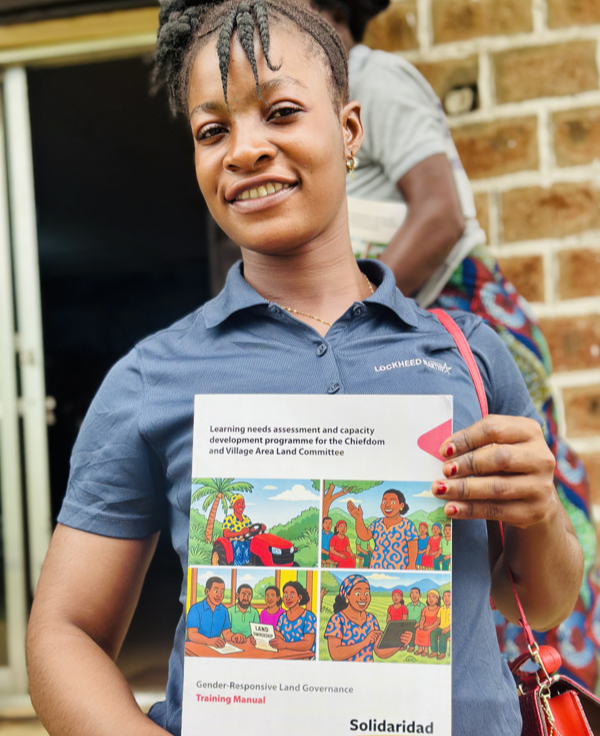
Mamie is now using her voice and position to advocate for other women, encouraging them to claim their rights to land for agricultural investment and other ventures.
Over 50 other women who participated in the training across various districts have been sharing the new knowledge within their communities.
Commitment to support Change
Following the training, traditional leaders’ representatives across Bo and Kenema districts have pledged to reserve at least 40% of seats for women in all new land governance structures, surpassing the legal minimum set by the government.
“The knowledge and insights I have gained as a traditional leader will help me ensure inclusive and effective land governance in my community.”
Chief Albert Sandy, Paramount Chief of Nongowa Chiefdom in Kenema District
“The knowledge and insights I have gained as a traditional leader will help me ensure inclusive and effective land governance in my community. Empowering our local communities to manage our land resources sustainably and equitably is crucial, and I am now better equipped to address the challenges that come with making land governance truly inclusive,” says Chief Albert Sandy, Paramount Chief of Nongowa Chiefdom in Kenema District.
This commitment by traditional leaders supports the Government of Sierra Leone’s efforts to reduce gender-based exclusion in land-related decision-making across the country.
Joel Kamara, National Project Coordinator at FAO, highlighted the organization’s commitment to promoting equitable land governance in Sierra Leone.
“At FAO, we are supporting the government to advance inclusive land reforms that secure the rights of all, particularly women and vulnerable groups. Ensuring that women have rightful and sustainable access to land is essential for improving livelihoods, strengthening food security, and promoting gender equality in rural communities,” he says.
“Ensuring that women have rightful and sustainable access to land is essential for improving livelihoods, strengthening food security, and promoting gender equality in rural communities.”
Joel Kamara, National Project Coordinator at FAO
The project will establish a multi-stakeholder platform to address land conflicts and related challenges that women are facing across 16 districts.
Promoting gender-responsive land governance
Since May 2024, Solidaridad West Africa, in collaboration with FAO and the Ministry of Lands, Housing and Country Planning, has been spearheading this initiative to promote inclusive and gender-responsive land governance in Sierra Leone.
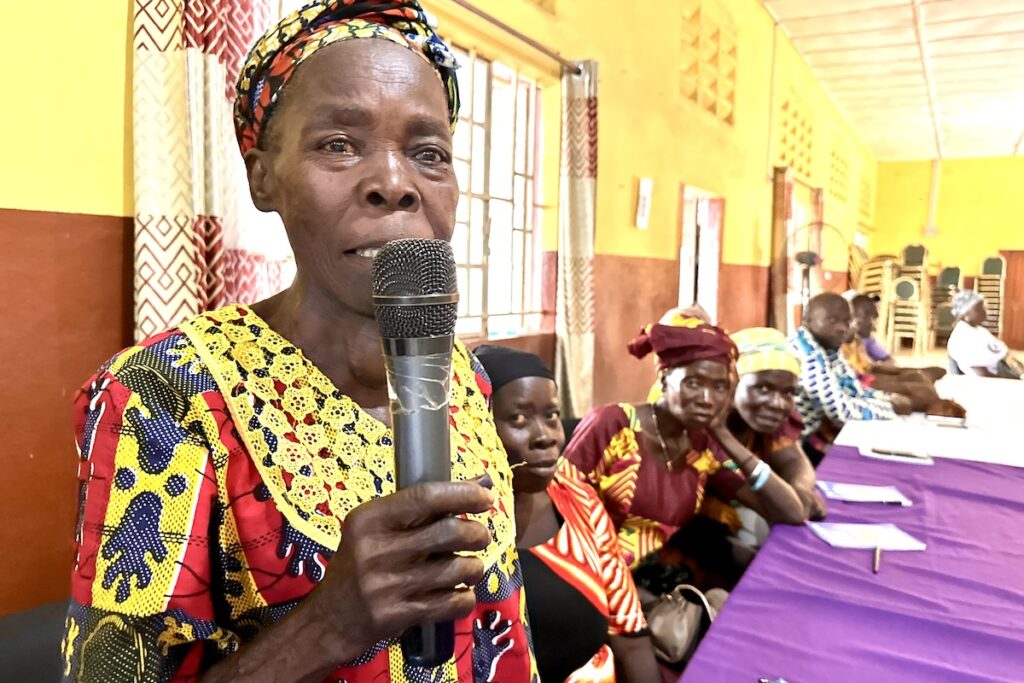
The initiative complements the government’s broader agenda to ensure equal access to land for women, particularly in the agriculture sector. It specifically targets rural women to enable participation and ensure fair representation in land governance structures in their communities.
The Government of Sierra Leone has prioritized the implementation of the Customary Land Rights Act and the National Land Commission Act (2022). These laws aim to: protect land tenure rights, ensure gender equality, promote responsible land investment, improve food security, and safeguard ecologically sensitive areas. These reforms also promote decentralized land administration through the establishment of District Land Commissions, Chiefdom Land Committees, and Village Area Land Committees, with a minimum of 30% female representation to enhance transparency and inclusivity.
The project aims to establish an efficient and accessible land administration system and to support the implementation of the National Land Policy (2015), the Customary Land Rights Act, and the National Land Commission Act (2022).
To date, Solidaridad and FAO have trained over 50 facilitators across the districts to deliver participatory and inclusive training to grassroots rural women and farmer groups in their respective districts nationwide.
Between 2022 and 2024, FAO and Solidaridad implemented the Responsible Agricultural Investment Programme across 14 districts in Sierra Leone. The initiative focused on increasing women’s awareness of land laws and empowerment policies, enabling them to participate in decision-making processes. As a result, more than 300 women have since invested in responsible agricultural ventures, strengthened their advocacy efforts, and taken part in community meetings and engagements with local stakeholders on land governance.