
Partnering for sustainable supply chains
Solidaridad Europe works with supermarkets that are committed to building traceable and resilient supply chains. Together, we co-develop programmes that reward their suppliers for adopting sustainable practices. This not only strengthens security of supply and ensures compliance with new market and regulatory requirements, but also delivers tangible benefits for the producers involved. Our programmes can support supermarkets with access to sustainable products, credible data and high-integrity carbon and nature credits—creating a competitive advantage for producers while enabling supermarkets to meet their sustainability goals with confidence and integrity.
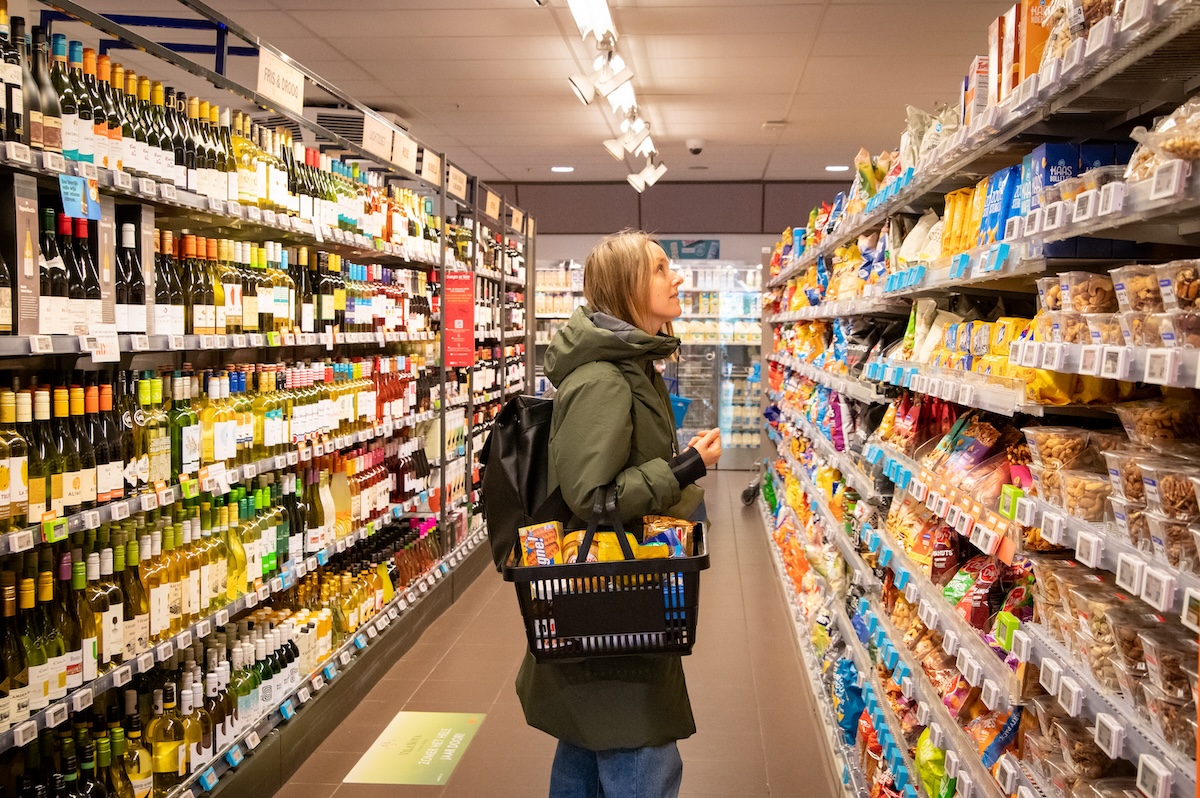
Mobilizing Dutch supermarkets for human rights
In 2023, Solidaridad mobilized Dutch supermarkets through Superlijst Sociaal, a study conducted in collaboration with research partner Question Mark, and co-campaigner Oxfam Novib. Superlijst Sociaal benchmarked Dutch supermarkets on key human rights indicators: transparency, fair payment for farmers and workers, and gender equality.
The results were clear: Dutch supermarkets were not yet taking sufficient action to ensure that human rights are respected throughout their supply chains. Looking ahead to 2026, the study will broaden its scope to benchmark supermarkets in both the Netherlands and Belgium, increasing the pressure for sector-wide change. By making these insights public, Solidaridad helps spark a national dialogue about the social responsibilities of supermarkets and the urgent need for fairer value distribution in food supply chains.
Campaigning for fair chocolate
Building on that momentum, 2024 saw the launch of “Waar is mijn eerlijke chocolade?” (“Where is my fair chocolate?”)—a powerful consumer campaign calling for all chocolate products in Dutch supermarkets to be made with fair cocoa by the end of 2025.
For Solidaridad, fair chocolate goes beyond certification. It means empowering cocoa farmers to earn a living income, following the principles we helped shape with the VOICE Network. These principles guide our work and advocacy in multi-stakeholder initiatives like the Dutch and German Initiatives on Sustainable Cocoa (DISCO and GISCO).
- Enable a living income for cocoa farmers
Supermarkets must enable farmers to receive a fair price for their cocoa, supporting them to earn a living income. This is essential to breaking the vicious cycle of poverty. - Share the risks with farmers
Today, cocoa farmers bear all financial risks when harvests fail or market prices drop. Supermarkets must offer clear and long-term contracts that provide stability and security for farmers. - Be transparent and take responsibility
Supermarkets should be open about their sourcing practices and supply chains. They must commission independent assessments and publish the results. Only through full transparency can we ensure that farmers are treated fairly.
Our research has revealed that 93% of chocolate products in Dutch supermarkets are still unfair. While a few premium chocolate bars meet fair standards, the vast majority of chocolate-containing products—like biscuits, spreads and desserts—do not.
To change this, Solidaridad mobilized citizens across the Netherlands. By the end of 2025, 30,000 people had signed our petition demanding fair chocolate on supermarket shelves.
Through this campaign, Solidaridad opened constructive dialogues with several Dutch supermarkets about how they can make their cocoa supply chains sustainable, working towards a future where every chocolate product on Dutch shelves is truly fair: for farmers, workers and the planet.
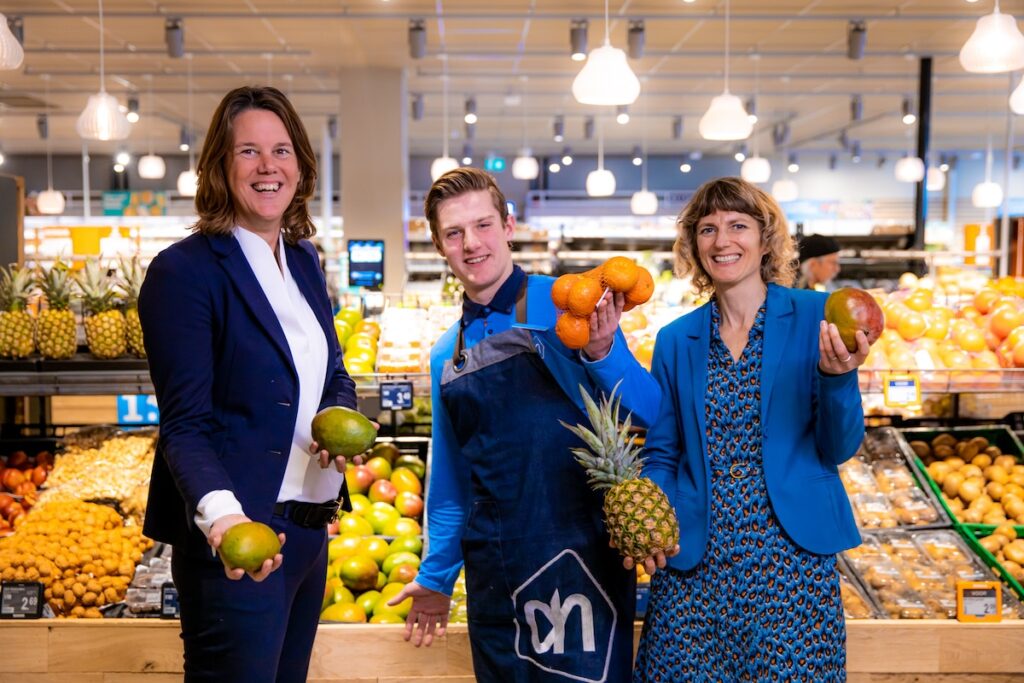
In the meantime, major Dutch retailers have taken significant steps toward fair chocolate. Albert Heijn will transition all its own-brand products to fair chocolate sourced through Tony’s Open Chain within three years, improving incomes for cocoa farmers. Furthermore, Superunie (representing 10 supermarket organizations in the Netherlands) committed to ensuring all its own-brand products containing more than 5% cocoa are Fairtrade certified by late 2026, and to work toward paying a Living Income Reference Price (LIRP) to help farmers earn a decent living up to full coverage by 2030.
Creating lasting impact together
The engagement of supermarkets is crucial to achieving systemic change. Through their purchasing decisions, pricing strategies and long-term sourcing commitments, supermarkets can ensure that farmers and workers earn a living income, that human rights are respected and that sustainable products become the norm. Solidaridad Europe continues to work closely with leading supermarkets to build sustainable supply chains. Together, we are proving that responsible business is not only possible—it is essential for a resilient global food system.