
As an African, the ongoing debates surrounding the production of livestock and its role in climate change are deeply personal. Across the globe, the prevailing narrative is that reducing livestock production – particularly cattle – is essential for mitigating climate change. But when this argument is applied to Africa, it overlooks one fundamental issue: climate justice.
The African continent emits the lowest volume of greenhouse gases, yet we bear the brunt of the climate crisis, a crisis exacerbated by industrialized nations that have historically been the largest emitters of greenhouse gases. The question is: why should Africa sacrifice one of our most vital adaptive assets, livestock, when the very countries that contributed most to climate change continue to avoid their responsibility?
The Current Climate Debates on Livestock Production
The conversation about livestock and climate change often revolves around its role in greenhouse gas (GHG) emissions, specifically methane, a potent greenhouse gas. Livestock farming, especially cattle, is frequently targeted for its methane emissions from enteric fermentation and manure management.
While these emissions are indeed a concern, it is important to question whether livestock is truly the major culprit in the global context, or whether other sectors, such as fossil fuel industries, deforestation and industrial agriculture, are responsible for far larger emissions. In our discussions, it is essential to recognize that livestock production should not be demonized in isolation, especially when compared to the disproportionate environmental harm caused by the industrialized countries historically responsible for the largest share of emissions.

Africa’s Contribution to Greenhouse Gas Emissions
Africa is bearing the brunt of climate change impacts. However, it is crucial to highlight that the continent contributes just 4% of global greenhouse gas emissions, far less than the industrialized nations that have built their economies on fossil fuel-intensive industries for centuries. The debate on livestock production in Africa must therefore be placed within the context of climate justice.
While livestock farming does contribute to emissions, it is essential to understand that the extent of Africa’s role in global emissions is minimal compared to the historical pollution of wealthier nations. Climate change disproportionately affects African nations, yet we are the least responsible. The world needs to hold major polluters accountable, not ask Africa to bear the burden of mitigation efforts that will only make our communities more vulnerable.
Livestock as a Key Adaptive Asset
For smallholder farmers in Africa, livestock is not just a commodity; it is a critical tool for adapting to climate change. Removing livestock from the equation would only increase the vulnerability of millions of African farmers. Livestock is a source of food, income and resilience in the face of climate shocks. Asking African farmers to reduce their herds without providing viable alternatives is not just environmentally unjust, it is also economically and socially unjust.
1. Livestock as a Food Source and By-products
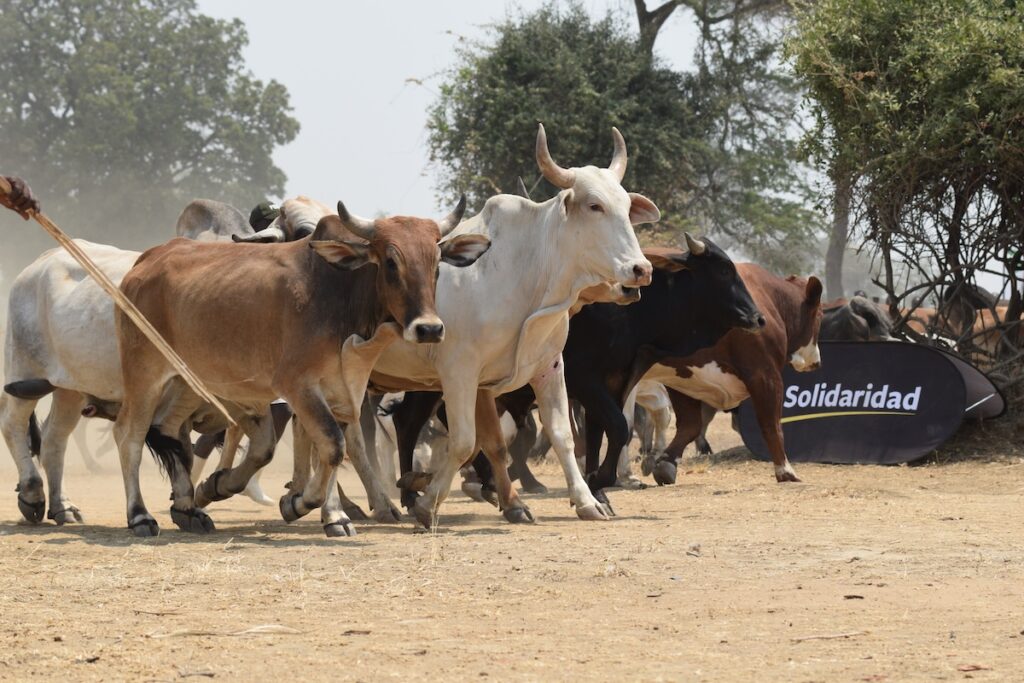
In Africa, livestock is a primary source of protein. Beyond meat, livestock provides milk, eggs and a range of other by-products that sustain families. These resources are especially important in times of drought or when crops fail due to erratic weather patterns. The idea of reducing livestock production ignores the simple truth: many African farmers rely on livestock to feed their families, particularly in regions where crops are highly vulnerable to changing climate conditions.
2. Livestock as a Source of Finance
Livestock also plays an indispensable role as a financial asset (mobile bank). Smallholder farmers in Africa are often excluded from formal financial systems. As a result, livestock acts as an emergency fund that can be sold or traded when financial difficulties arise. In times of crisis, whether induced by climate impacts like droughts or floods or broader economic shocks, livestock is often the only financial cushion available to these farmers. By restricting livestock production, we would essentially be taking away this critical financial safety net, further marginalizing smallholder farmers and denying them a way to weather the increasing number of climate shocks we are facing.
3. Cost-effectiveness and Resilience
Compared to crops, livestock is a more resilient and cost-effective commodity to produce for vulnerable communities. Unlike crops, which require significant water, fertilizers and labour inputs, livestock can be raised in a variety of environments, from arid to semi-arid lands. Given the water scarcity and unpredictable rainfall in many parts of Africa, livestock offers a more reliable source of food and income. While crop production is highly dependent on irrigation and intensive labour, livestock can be a more sustainable option for communities living on the margins, facing climate-induced hardships.
4. Indigenous Regenerative Practices
Many African pastoralist communities have developed indigenous, regenerative livestock production practices that have been honed over centuries,. These practices help maintain soil fertility, improve biodiversity and even sequester carbon. Such systems, rooted in deep traditional knowledge, provide valuable insights into how livestock farming can be part of the solution to climate change. These practices are often more sustainable than conventional industrial agriculture and could contribute significantly to global efforts to reduce emissions, yet they are often overlooked in favour of more conventional, industrialized solutions. The environmental benefits of these practices should be recognized and supported, rather than stifled.
5. Cultural Identity and Livestock
For many African communities, livestock is not only an economic asset but also a cornerstone of cultural identity. From the Maasai in East Africa to the Fulani in West Africa, the Nguni’s in Southern Africa livestock, particularly cattle, holds profound cultural and spiritual significance. Livestock is tied to social structures, inheritance practices and traditional ceremonies. Reducing livestock production, or discouraging it in the name of climate action, risks undermining the cultural rights of millions of Africans. It is an attempt to strip away an essential part of our identity, in the guise of global environmental policy. Climate justice demands that the rights and traditions of local communities be respected, not sacrificed for global agendas that fail to account for the unique circumstances in which we live.
Acknowledging the nuances and taking action
The debate over livestock production in Africa cannot be divorced from the broader context of climate justice. Africa’s contribution to global emissions is minimal, and yet we bear the greatest burden of climate impacts. Livestock is not the problem, it is part of the solution. It provides food, income, resilience and cultural identity for millions of smallholder farmers across the continent. The solution lies not in curbing livestock production but in supporting sustainable livestock practices that enhance the resilience of African farmers while addressing the larger issues of climate change mitigation and adaptation. We cannot allow the actions of historically high-emitting countries to dictate the future of African smallholder farmers. In the name of climate justice, it is time for the world to recognize that context matters; our survival depends on it.