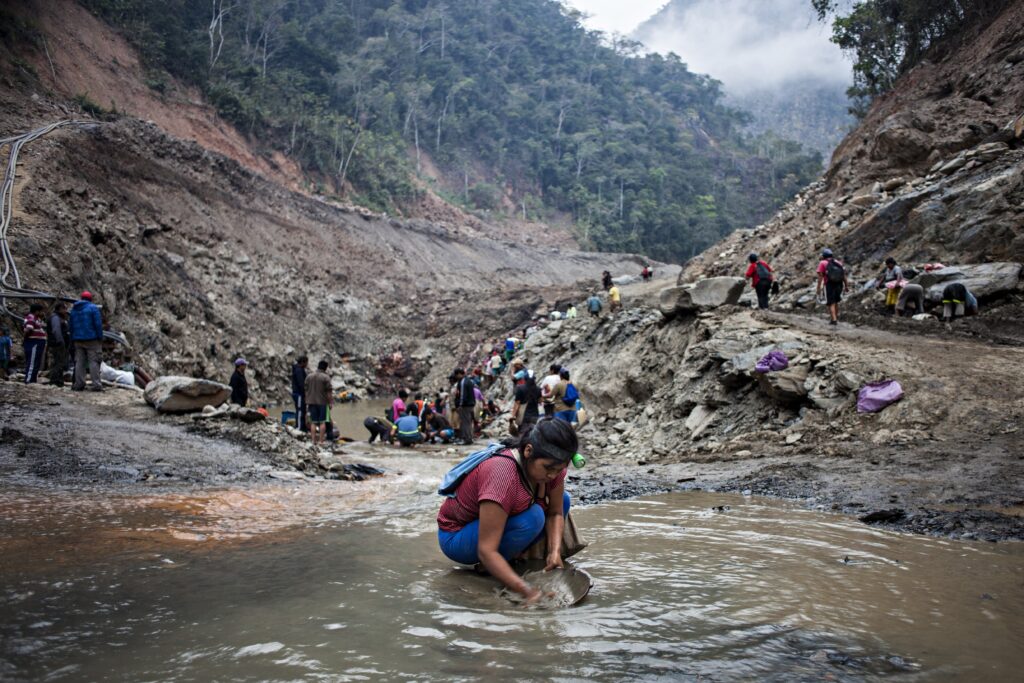
Region: China
PRESS RELEASE: THE EU IS MAKING DUE DILIGENCE MANDATORY, NOW IT’S TIME TO MAKE IT MEANINGFUL
Today marks a significant milestone as a political agreement was successfully concluded on the Corporate Sustainability Due Diligence Directive (CSDDD).…
14 December 2023
Small Farmer Atlas elevates voice of farmers in sustainability discussions
The global story of agriculture is largely one of small farms. Solidaridad’s Small Farmer Atlas is a comprehensive satisfaction survey…
30 May 2023
Small Farmer Atlas, 1st Edition
Solidaridad’s Small Farmer Atlas is a comprehensive satisfaction survey based on the input of 10,000 small-scale farmers in 18 countries…
04 May 2023
Climate Change, Carbon Farming Dominate Discussion at Asia Tea Alliance Summit
Tea is the world’s second most popular beverage after water. Roughly 3 billion cups are consumed every day. The sector…
15 November 2022
First Palm Oil Barometer challenges negative public perception on palm oil sustainability
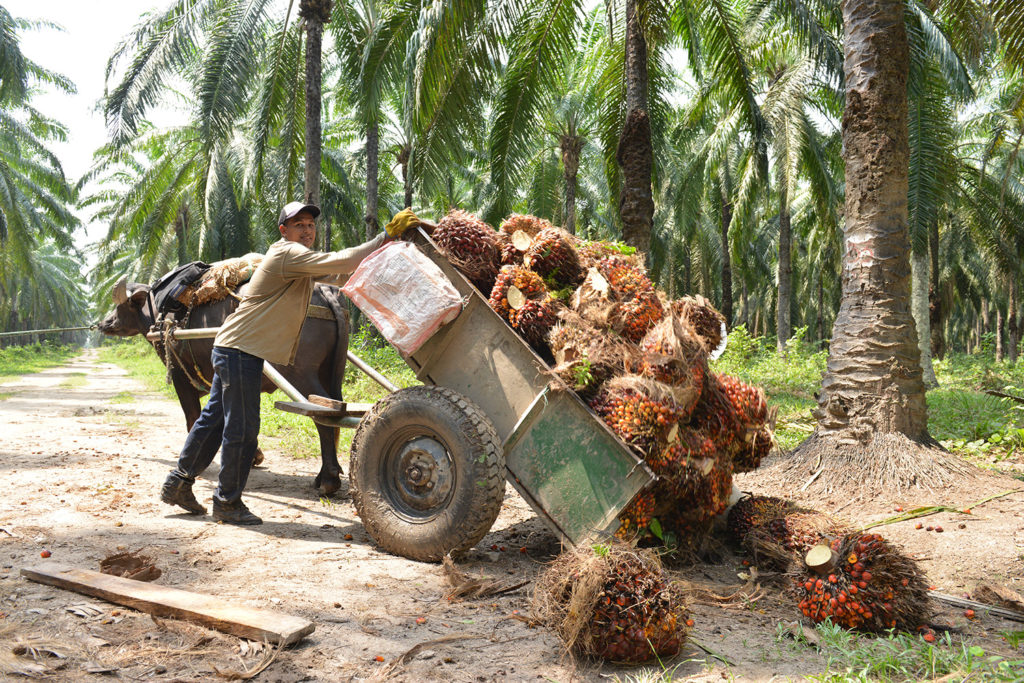
Smallholder farmers are sustainable palm oil production’s secret ingredient. While smallholder palm oil farmers risk living in poverty, the 282…
15 September 2022
Celebrating togetherness
For the first time, Solidaridad brought together all staff members in an internal online event focused on learning, exchanging ideas…
20 June 2022
Solidaridad provides scalable and economically effective sustainability solutions in agriculture and mining sectors in collaboration with governments, businesses and the…
21 January 2021
A milestone year
Solidaridad reached 700,000 smallholder farmers in 2019 – more than ever before. It was also the year in which we…
25 May 2020
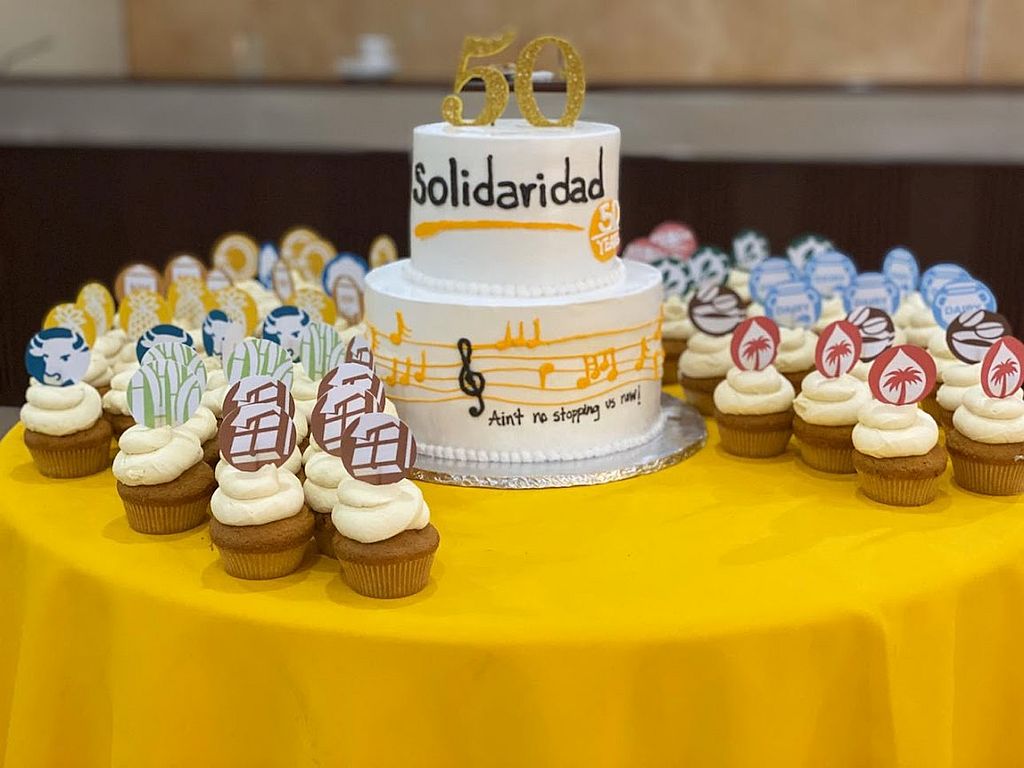
50 years of change that matters
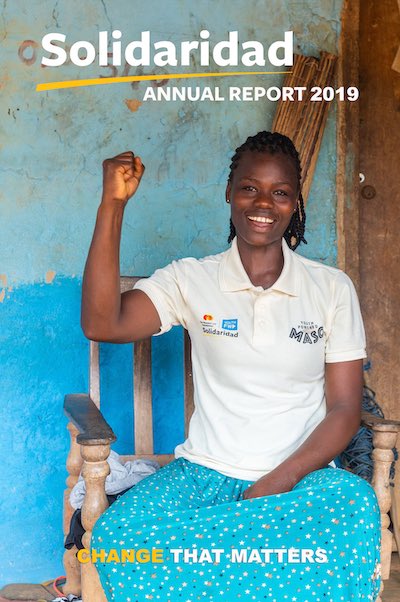
2019 was a special year for Solidaridad. Exactly 50 years ago, on 30 November 1969, Solidaridad sprung to life. We've…
21 December 2019
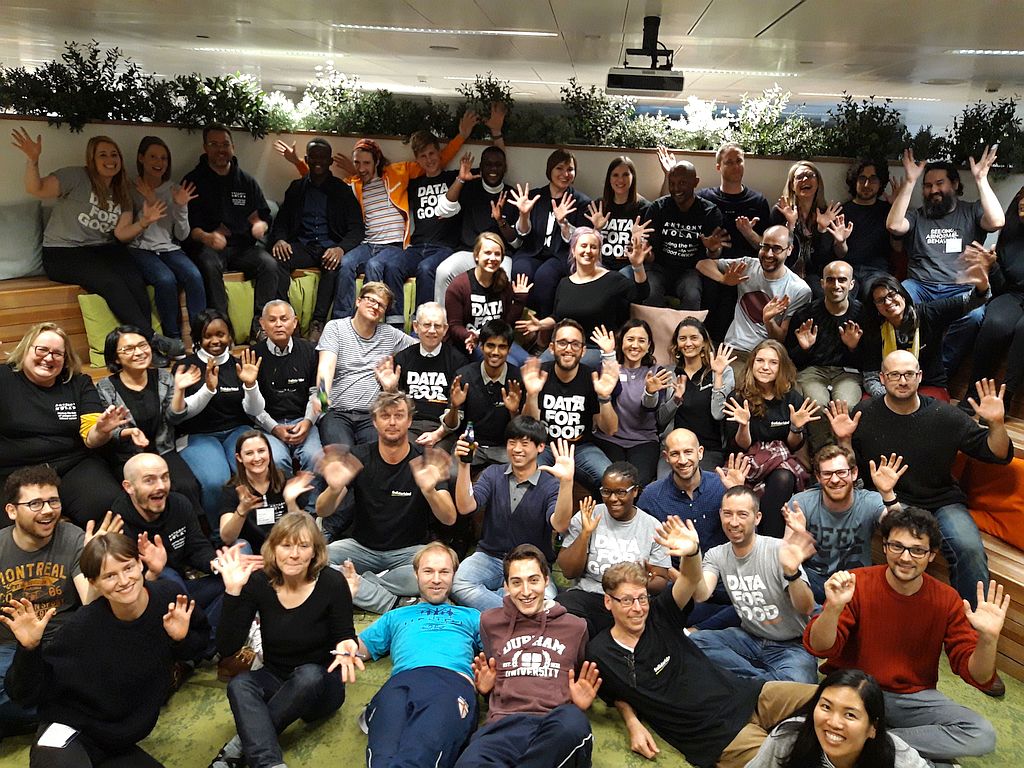
Data diving for good
A small army of data experts came together in London recently. They were volunteering their skills, experience and smiles for a…
18 December 2019