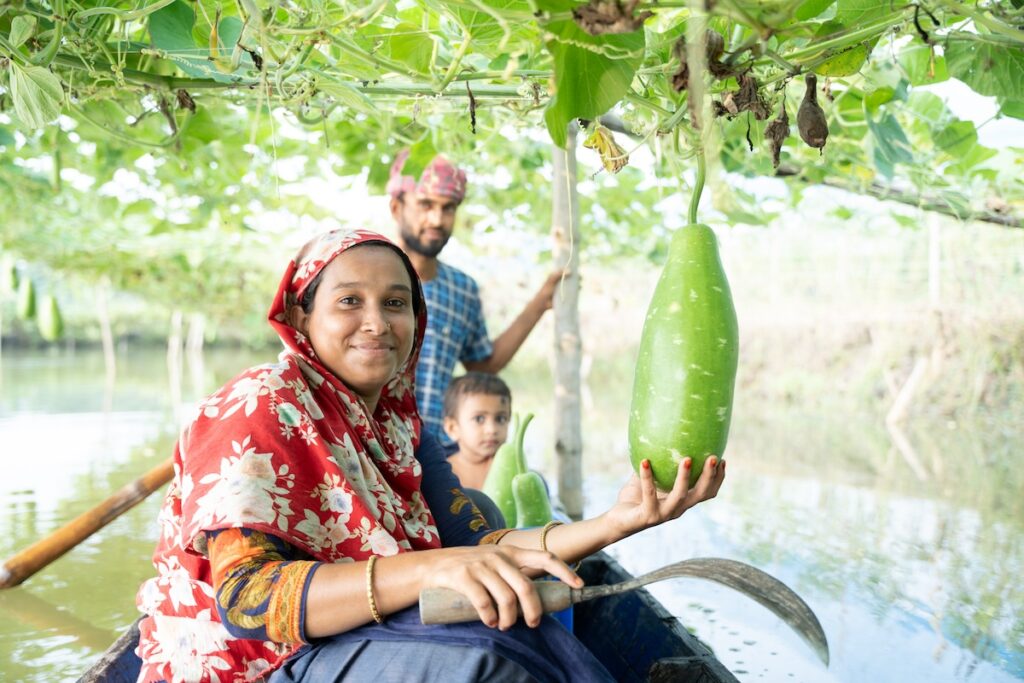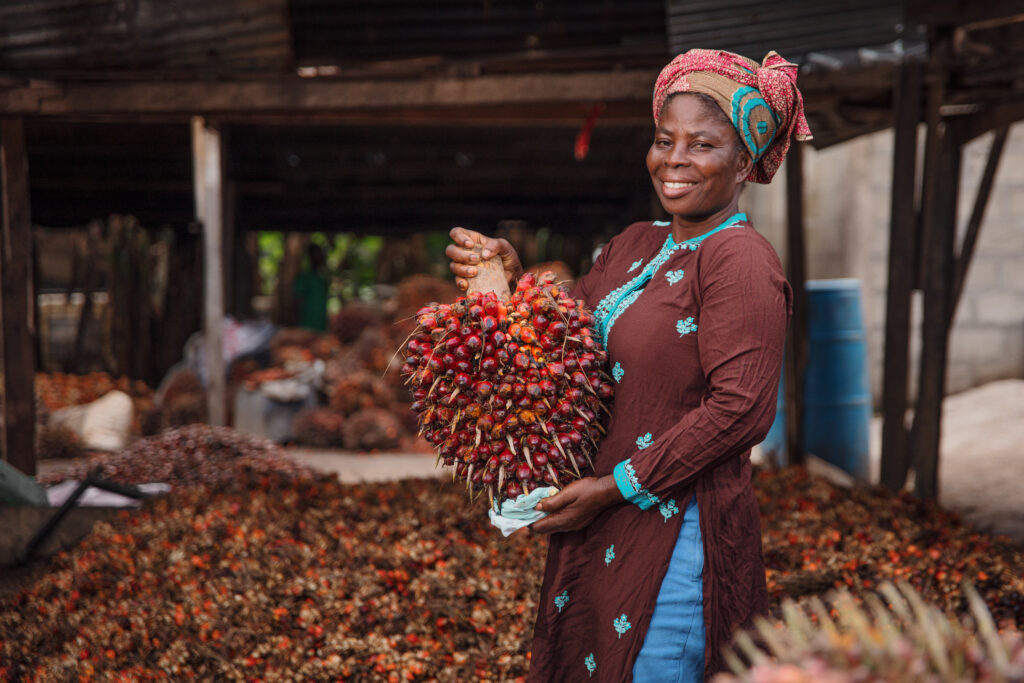

Photo above: Anna Langa and Delfa Nhobomba work on PRASL shed nets and are part of the Empowered Girls Association in Mozambique
This 3-year programme aims to engage with 4,000 smallholder farmers in the Boane District of Mozambique in the course of its duration (2024-2027), with a focus on contributing to the empowerment of at least 60% women and 30% young adults, and with a farmer-centered approach to promote local ownership.
“In close partnership with HEINEKEN Mozambique and Solidaridad, we embark on a journey to transform the lives of 4,000 smallholder farmers in the Boane District over the next three years. Through this collaboration, we aim to indirectly reach and positively impact 20,000 individuals, creating a ripple effect of prosperity and resilience,” says Edwin Moerkerk, General Manager, at the HEINEKEN Africa Foundation.
Fostering regenerative practices and data innovation
At the launch of the project in April 2025, Francisco Nhanale, Solidaridad Country Manager Mozambique, said:
“The future of smallholder farmers in Mozambique depends on our collective decisions here today. Our presence here today is a testament to the realization that smallholder farmers matter and that together we can co-create sustainable solutions. PRASL helps farmers to do what they do best – feed the nation. We are fully committed to empowering farmers with trainings on regenerative agricultural practices to improve soil health and give farmers an opportunity to earn extra income.”
PRASL participant farmers such as Delfa Nhobomba and Anna Langa (see photo above), both members of the 15-member Empowered Girls Association, have shared similar sentiments.
“I am part of 15 young ladies who work in the shed nets while we raise money to buy our own land. Access to land is a huge challenge for female smallholder farmers in Mozambique. That, along with the investments to build structures such as the shed nets you see here, where we plant tomatoes, cucumbers and more on this land that belongs to the association. Organizations such as Solidaridad, with the support of their partners, are gamechangers. […] Even though this project is fairly new, we are already seeing the impact and so are our families who are also benefiting from our empowerment,” says Nhobomba.
Langa echoes the sentiments by describing how the regenerative agricultural practices are of interest to young smallholder farmers in their group. Farmers have also shared how their activities were recorded and the data captured by Kvuno, who worked on the ground with the farmers. Data is uploaded at different stages in the process using the Kvuno Farmer IDs to map fields and enable farmers to take data-driven interventions.
“Through Kvuno’s data-driven interactions, we are contributing to bring wealth to the farmers. By accessing the data, they can know what the market price is and thereby negotiate for fair wages. They can also make informed and up-to-date weather predictions which can help them know when to plant and reap. We are all up for collaborative efforts that can improve the quality standards, improve production and impact the lives of our smallholder farmers in Boane District, Mozambique and beyond,” elaborates Igor Espanol, Kvuno’s Regional Manager for Mozambique.
Furthermore, Stefano Gasparini, Mozambique Country Manager at Hiveonline, shares about the important role of digitization in this project:
“Through Hiveonline’s digital platform, PRASL farmers are able to build a secure digital record of their agricultural activities, production, and financial behaviour. This data footprint is essential for making smallholder farmers visible to financial institutions and for strengthening their readiness to access formal finance over time. By combining regenerative agricultural practices with reliable data and digital tools, the project is laying the foundations for more resilient livelihoods and long-term economic inclusion.”
A farmer-centered approach to promote local ownership
By prioritizing a farmer-centered approach to promote local ownership, the programme strives to ensure its benefits continue even after the programme ends. Hereby we seek to contribute to a more resilient, productive, and sustainable agricultural sector in Boane District, leading to improved livelihoods and climate change adaptation for smallholder farmers, especially women and young adults.
NEWS AND RESOURCES